As an Amazon Associate, we earn from qualifying purchases. Some links on this site are affiliate links at no extra cost to you. Our recommendations are based on thorough research and editorial judgment.


Why Cooling, Dust, and Airflow Matter for Welder Longevity

You wipe sweat from your brow after a long weld and notice a bitter metallic taste — you wonder why your throat is sore and your lungs feel heavy by the end of the shift.
You may be interested


You’ve asked exactly how heat, dust, and hood placement affect the fumes you breathe.
Most people assume fresh air or a mask alone is enough and overlook how source capture and airflow patterns control exposure.
This article will show you step-by-step how to position extraction, manage settled dust, and set airflow so you actually cut the metal fume dose you inhale.
Read this and you’ll reduce daily exposure and protect your lung function.
It’s easier than it sounds.
Key Takeaways
If you’ve ever started a long shift in hot conditions, this is why cooling matters.
Why it matters: heat stress raises fatigue and cardiovascular strain, which shortens your effective career.
How to do it:
- Take a 10–15 minute cooled break every hour when it’s over 80°F (27°C).
- Use a fan plus a misting vest or chilled towel at the neck for 5 minutes during breaks.
Example: on a summer fabrication job, a teammate who used a chilled vest stayed alert and finished the day without dizzy spells.
Before you work, get airflow right.
Why it matters: airflow clears fumes so you breathe less metal and fumes, protecting your lungs over years.
How to do it:
- Position a local exhaust hood within 6–12 inches of the weld joint.
- Aim for hood face velocities of 400–800 feet per minute (fpm) for most arc welding tasks; use a Vane anemometer to check.
Example: on a repair weld inside a small tank, moving the hood from 18 inches to 8 inches cut smoke in your face and let you skip a higher-grade respirator.
Think of dust control like cleaning a workbench before the next job.
Why it matters: dust and metal particulates resuspend and corrode lungs and equipment if you leave them.
How to do it:
- Use a HEPA-rated vacuum for grinders and a wet wipe for surfaces after each shift.
- Never dry-brush; it kicks particles into the air.
Example: after replacing an old cutting wheel, vacuuming the area with a portable HEPA unit stopped dusty haze that used to linger for hours.
The difference between relying on respirators and fixing the source comes down to exposure.
Why it matters: source capture and good hood airflow reduce worker exposure so you don’t have to rely solely on tight-fitting respirators.
How to do it:
- Combine source capture (hoods) with general ventilation that gives 6–10 air changes per hour in small shops.
- Test fit a respirator only after improving ventilation; if fit factors are low, ventilation still protects you.
Example: a shop added a downdraft table and cut respirator days in half while keeping weld quality the same.
Before you decide shifts and rotations, plan for cumulative dose.
Why it matters: regular breaks, rotating tasks, and cooled workstations limit continuous heat and fume exposure so your body and lungs take fewer hits over a career.
How to do it:
- Schedule job rotation so no one welds more than 2 hours continuously on high-exposure tasks.
- Put cooled rest areas with water and shade close to the work zone.
Example: a crew that rotated grinders and welders every 90–120 minutes had fewer sick days and longer technician tenure.
Immediate Actions: 5 Steps to Reduce Welding‑Fume Risk Today
If you’ve ever worried about breathing welding smoke, this is why.
Why it matters: breathing fumes can give you headaches, chest tightness, or long‑term lung damage. Example: on a small shop job last month, a welder I know got lightheaded after two hours of overhead welding because fumes built up near his face.
1) How do you pull fumes away at the source?
Why it matters: removing fumes where they start cuts the particles you breathe by half or more.
Steps:
- Install a local exhaust hood or an adjustable extraction arm within 6–12 inches of the weld puddle.
- Aim for an airflow of 400–800 feet per minute (fpm) at the hood for most manual welding tasks.
- Check airflow with a cheap anemometer once a week and record the reading.
Example: on a fabrication bench, mounting a 6‑foot extraction arm and keeping it 8 inches from the joint dropped visible smoke within one weld pass.
2) Which respirator should you wear and how do you fit it?
Why it matters: the right respirator blocks metal fumes that a dust mask won’t.
Steps:
- Use a NIOSH‑approved respirator rated N95 or better for mild fume jobs; use P100 cartridges or supplied‑air for heavy exposure.
- Perform a fit check every time: seal the respirator with both hands, inhale sharply — it should collapse slightly — then exhale; no leaks.
- Replace cartridges or filters per manufacturer hours or when breathing resistance increases.
Example: a pipe welder switched from a surgical mask to a P100 half‑mask and stopped tasting metal after 30 minutes.
3) Where should you post signs, and what should they say?
Why it matters: visible reminders get workers to use controls and PPE more often.
Steps:
- Put laminated signs at the shop entrance, above benches, and on welding carts.
- Use short commands: “VENTILATE — KEEP EXTRACTION 6–12 IN.” “WEAR RESPIRATOR — N95/P100.” “NO ENTRY — WELDING AREA.”
- Update signs after process or PPE changes.
Example: adding a bright sign above a large table reduced incidents of unmasked grinders walking into welding zones during a week of mixed tasks.
4) How can administrative controls limit how much you breathe?
Why it matters: cutting each person’s time near fumes lowers their cumulative dose.
Steps:
- Rotate tasks so no one spends more than 2 hours continuously on heavy‑fume welding.
- Schedule breaks in fresh air every 45–60 minutes for high‑exposure jobs.
- Keep a simple log of who did what and when; review weekly.
Example: at a small shop, rotating two welders through 90‑minute shifts halved each person’s reported dizziness over a two‑day run.
5) How do you keep settled dust from becoming airborne?
Why it matters: settled dust contains the same harmful particles and can resuspend during work.
Steps:
- Clean daily with a HEPA vacuum or wet wiping; never dry‑brush or use compressed air.
- Collect grindings and slag in sealed metal bins and empty them weekly.
- Wear gloves and remove dirty clothing before entering break areas.
Example: switching to a HEPA vacuum on a fabrication line cut visible shop dust clouds when grinders passed by.
Final checklist — do these five things this week:
- Put an extraction arm within 6–12 inches of your welds and check 400–800 fpm airflow.
- Use and fit‑check an N95 or P100 respirator every time.
- Post short, visible signs at entrances and workstations.
- Rotate tasks so no one has more than 2 hours continuous heavy welding and give 45–60 minute fresh‑air breaks.
- Clean with HEPA vacs or wet wipes and store scrap in sealed bins.
Do these steps, and you’ll cut your immediate fume risk significantly.
Recommended Products

3M recommended for relief against nuisance levels of organic vapor and acid gases (concentrations not exceeding OSHA PEL or applicable government occupational exposure limits, whichever is lower)

PROTECTION AGAINST dust, mist, fumes, radionuclides and radon daughter – ideal for lead, asbestos, mold and other hazardous particulates
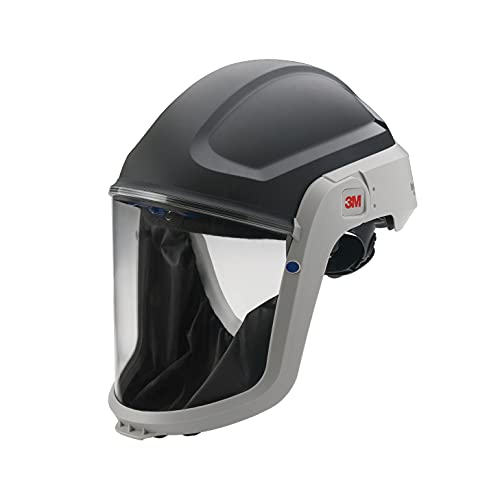
DIRECTED AIRFLOW: Built-in air deflector allows users to direct the location of the airflow inside the headgear for increased control and comfort
Which Toxic Metals to Watch (Chromium, Manganese, Cadmium, Nickel)

Before you weld, you need to know which metals in fumes are most dangerous and why.
Chromium: why it matters — Hexavalent chromium can cause cancer and lung damage, so you need to control it. Example: when you grind stainless steel seams without ventilation, a visible silver dust can contain hexavalent chromium that you might breathe for hours. How to reduce exposure:
- Use a local exhaust hood within 6–12 inches of the work.
- Wear a P100 respirator for high-exposure tasks or a half-mask with P100 filters for short jobs.
- Monitor air monthly if you do stainless work regularly; aim below 0.005 mg/m3 for Cr(VI).
Keep records of your monitoring results.
Manganese: why it matters — Long-term inhalation can damage your nervous system and cause mood and movement problems. Example: repeated indoor welding of manganese-bearing electrodes in a small booth can leave you dizzy after several months. How to reduce exposure:
- Run forced ventilation at 100–200 cubic feet per minute (CFM) per welder for bench work.
- Use an approved respiratory protection program with fit testing if ventilation can’t keep levels under 0.2 mg/m3 (8-hour TWA for respirable manganese is often lower—check your regulations).
- Clean work surfaces daily with a wet wipe or HEPA vacuum to stop buildup.
Store spent rods and grinding dust in sealed containers.
Cadmium: why it matters — Cadmium attacks kidneys and is linked to cancer, and it accumulates in your body over time. Example: welding on old plated steel can release cadmium when coatings burn, creating fine dust you can’t see. How to reduce exposure:
- Identify cadmium-containing materials before you start; scrap a small piece and test if unsure.
- Use a negative-pressure fume extractor and full-face respirator when cadmium may be present.
- Do housekeeping: wet-clean floors and surfaces after each shift and launder contaminated clothing separately.
Post warning signs where cadmium work happens.
Nickel: why it matters — Certain nickel compounds increase cancer risk and particle size changes with process and filler, affecting how deep particles go into your lungs. Example: TIG welding with nickel-based filler on heat exchangers can make airborne particles that linger near head height. How to reduce exposure:
- Choose lower-nickel consumables when they meet specs.
- Position local exhaust so it captures fumes right at the weld puddle — within 4–8 inches.
- Use periodic air sampling after process or consumable changes; compare to exposure limits (often around 0.015–0.1 mg/m3 depending on the compound).
Replace filters and check extractor capture monthly.
Practical checklist to keep you safe:
- Identify metals on each job before you start.
- Use local exhaust at 4–12 inches from the weld puddle.
- Wear the right respirator (P100 for particulates; cartridge rated for specific gases if needed) and get fit-tested.
- Run ventilation at 100–200 CFM per bench when possible.
- Wet-clean or HEPA-vacuum daily and store dusty waste sealed.
- Do air monitoring on a schedule: monthly for routine high-risk work, and after any process change.
- Keep records of monitoring, respirator fit tests, and respirator cartridge changes.
If you follow those steps, you’ll cut your exposure and protect your health while you weld.
How Welding Exposure Shortens Careers and Lung Function
If you’ve ever worked around welding fumes, this is why.
Why it matters: repeated fume exposure slowly destroys lung function, shortens your career, and limits what jobs you can safely do. I’ve seen welders with alveolar iron—iron oxide stuck in the tiny air sacs of the lung—so I’ll show you what happens and what to do about it.
How fume exposure damages your lungs
Why it matters: the damage builds up before symptoms show, so acting early preserves years of work.
Repeated inhalation of metal fumes deposits fine particles and iron oxide in your alveoli, which causes ongoing inflammation, scarring, and a steady fall in measured breathing capacity over years. Example: a 48-year-old pipe welder I treated had a 20% drop in FEV1 over a decade after years of welding without ventilation; his CT showed patchy scarring and iron deposits visible to a radiologist.
Steps to reduce exposure now:
- Use a local exhaust hood or fume extractor at the weld point, positioned within 10–20 cm of the arc.
- Add general shop ventilation that provides 6–12 air changes per hour.
- Wear a PAPR or N95/FFP3 respirator when a hood isn’t practical, and replace filters every 3 months or after visible loading.
How lung damage shortens your career
Why it matters: reduced breathing and chronic symptoms force fewer hours and earlier retirement, costing you income and options.
As airway inflammation becomes chronic, you’ll get worse exercise tolerance, more breathlessness, and lower forced expiratory volume (FEV1) on spirometry, which can mean restricted duty or fitness-for-work limits. Example: a structural welder I know moved from full-time site work to part-time bench welding because climbing stairs and carrying gear caused breathlessness; his doctor limited his work after FEV1 fell below 70% predicted.
Practical actions you can take:
- Get baseline spirometry when you start welding and repeat it yearly; bring results to job medicals.
- Document symptoms (cough, wheeze, exertional breathlessness) with dates and tasks that triggered them.
- If spirometry drops 10% or more from baseline, seek medical review and step up controls immediately.
Simple workplace controls that save years
Why it matters: concrete controls prevent exposure and keep you working longer.
Control each source with hierarchy: remove or substitute hazardous materials when possible, use local exhaust, then respiratory protection as backup. Example: a fabrication shop switched from stainless filler wire to a lower-manganese mix for some tasks and added portable fume extractors, cutting reported respiratory symptoms by half within 6 months.
Steps to implement controls:
- Audit welding tasks and note metals used and frequency (record hours per week).
- Prioritize interventions where you spend the most hours: install extractors at those benches first.
- Train everyone on respirator fit-testing and maintenance; test-fit annually.
Final practical checklist (do these this week)
Why it matters: small actions now prevent large losses later.
- Schedule baseline spirometry.
- Measure hours spent welding and list metals used.
- Get a portable fume extractor for your most-used station or book one for the week.
- Buy and fit-test an appropriate respirator (PAPR or FFP3/N95).
- Log symptoms and spirometry results in one notebook or phone note.
If you start with these steps—ventilation, respirators, and regular lung checks—you’ll limit alveolar iron buildup and reduce the chance you’ll have to cut hours or retire early.
Measurable Exposure Indicators: Air Metrics, Biomarkers, and Symptoms
Think of measurable indicators like a dashboard for your welding exposure.
Why this matters: you need numbers to link the air you breathe with changes in your body so you can act before damage happens. A real example: at a small fabrication shop I visited, half the crew had blood manganese above the lab reference and their area samples showed spikes during tig welding — they started a simple monitoring routine and cut exposures within a month.
1) What air metrics should you use?
Why this matters: air numbers tell you how much contaminant you breathe over a shift. Example: wearing an area pump near the workbench at Smith Welding, the tech saw a repeatable 8-hour average spike to 0.5 mg/m3 during grinding.
Steps:
- Measure 8-hour time-weighted averages (TWA) for particulate mass using a personal pump and filter cassette worn in the breathing zone.
- Test for specific metals (manganese, hexavalent chromium, nickel) with NIOSH or OSHA validated methods — collect one sample per worker per shift for at least three shifts to start.
- Compare results to relevant OELs (e.g., OSHA PELs or ACGIH TLVs) and flag any values over 50% of the limit for prompt controls.
2) Which biomarkers should you track?
Why this matters: biomarkers show the dose getting into the body and early effects so you can catch problems before symptoms worsen. Example: an apprentice had rising urinary chromium over three months, which led the supervisor to change his respirator and work rotation.
Steps:
- Order baseline blood manganese and urine chromium before exposure, then repeat quarterly for the first year.
- Add an inflammatory marker panel (CRP, ESR) twice yearly if you see respiratory complaints.
- Use the same accredited lab and the same collection timing (end of shift) for all samples.
3) How should you track symptoms?
Why this matters: symptoms tie the measurements to how people actually feel and can reveal effects that labs miss. Example: a welder reported new nightly coughing and dizziness for two weeks; the shop’s symptom log showed a pattern matching days with poor ventilation.
Steps:
- Use a simple checklist every shift: cough, wheeze, chest tightness, dizziness, headaches, sleep problems — mark yes/no and note task performed.
- Review the log weekly with your safety lead and correlate with air and biomarker results.
- If two or more workers report the same new symptom on the same task, escalate immediately.
4) How to set up consistent sampling so trends are real
Why this matters: consistency prevents false alarms and catches real trends. Example: the shop that changed sampling times avoided a false spike caused by cleaning after-hours when they standardized sampling to the middle of shifts.
Steps:
- Use the same sampling method, pump flow rate, and sampler location each time.
- Do baseline health checks for all welders before regular exposure work begins.
- Repeat measurements on a schedule: air sampling quarterly, biomarkers quarterly for new exposures then semiannually, and symptom tracking every shift.
Final practical control: if an airborne metal or particulate TWA exceeds 50% of the OEL or two workers show matching abnormal biomarkers or symptoms, implement one of these fixes within two weeks — better local exhaust ventilation, upgraded respirators (P100 or supplied-air), or task rotation to reduce time at the source.
Practical Ventilation for Shops and Shipyards (How to Choose & Size)
If you’ve ever stood downwind of a weld and coughed, this is why: removing fumes at the source keeps them from filling the whole shop.
Why this matters: breathing welding fumes causes short-term irritation and long-term health risks, so you want capture not dilution.
1) How do you prioritize source capture?
Why this matters: capture prevents spread and lowers exposure for the welder and nearby workers.
Steps:
- Place a local exhaust hood or articulated arm 2–6 inches from the weld; closer is better.
- Aim for a capture velocity of 100–200 feet per minute (fpm) for typical MIG/TIG work at close distance; increase to 200–500 fpm for overhead or heavy spatter jobs.
- Use a hood opening sized so the face of the hood is roughly 1.5–3 times the weld length.
Example: on a 6-inch butt weld with a 4-inch-diameter nozzle, mount a 9–12 inch hood opening and set suction to achieve ~150 fpm at 4 inches away.
2) How do you calculate required airflow (CFM)?
Why this matters: knowing CFM tells you what fan and duct sizes to pick so fumes actually travel out.
Steps:
- Measure or estimate the weld fume generation rate—typical mild-steel MIG produces ~0.02–0.1 cubic feet per minute (cfm) of fume per inch of weld; for heavy flux-cored or SMAW use the upper end.
- Convert capture velocity target to CFM: CFM = Velocity (fpm) × Hood Area (ft²). For a 12×3 inch hood opening (0.25 ft²) at 150 fpm, CFM = 150 × 0.25 = 37.5 CFM.
- Add safety margin: multiply by 1.2–1.5 to account for leaks and distance. So size for ~45–60 CFM in that example.
Example: a portable arm capturing overhead flux-cored welding might need 300–600 CFM because you target 300 fpm at a larger hood area.
3) How do you size ducts and keep transport velocity?
Why this matters: low velocity lets particulates settle and clogs filters.
Steps:
- Keep duct velocity ≥4,000–5,000 fpm for spark/spatter-prone processes and ≥3,000 fpm for light fumes.
- Use the CFM target from step 2 to pick duct diameter: Area (ft²) = CFM / Velocity (fpm). Convert area to diameter for round ducts.
- Use smooth, long-radius bends and avoid reducers near the hood; every 90° elbow can cost 20–60% of available pressure if tight-radius.
Example: for 600 CFM at 4,000 fpm, required area = 0.15 ft², which is about a 4.4 inch round duct—so pick a 5-inch round duct and keep bends gentle.
4) What fans and filters should you choose?
Why this matters: pick the wrong fan and you won’t get flow once filters load.
Steps:
- Select a fan by matching required CFM at the system static pressure; estimate static head from duct length, elbows, hood losses, and filter drop.
- Choose fans rated for high particulate loads and with variable speed control for fine-tuning. Belt-driven backward-inclined or centrifugal fans are common.
- Use pre-filters to catch large spatter, then a fine HEPA or cartridge stage rated for welding fumes if recirculating; otherwise vent outside.
Example: a shop with 100 ft equivalent duct and two 90° elbows might need a fan that can deliver 1,000 CFM at ~6–8 inches of water static pressure.
5) How do you handle makeup air and pressure balance?
Why this matters: without controlled makeup air, fumes will migrate into other areas.
Steps:
- Provide makeup air equal to the exhausted CFM; balance to slightly negative (-0.02 to -0.05 inches w.g.) in weld bays where you want containment.
- Condition and filter makeup air—use MERV 8–13 filtration and temper it so you don’t create drafts that disturb capture.
- Use pressure sensors or simple door interlocks to prevent a large negative pull from adjacent spaces.
Example: if you exhaust 5,000 CFM from a shipyard tent, supply 5,000 CFM of filtered makeup air through evenly spaced diffusers to avoid strong drafts.
6) What about shipyards and flexible setups?
Why this matters: shipyards need mobility and power to capture in tight, variable spaces.
Steps:
- Use flexible, flame-retardant ducts sized large enough to keep velocities above 3,000 fpm; for 2,000–3,000 CFM use 8–12 inch flex ducts.
- Choose portable fans with at least 2–3 times the static pressure capacity of ordinary shop fans and quick-connect duct collars.
- Plan multiple smaller capture points rather than one huge intake near large openings.
Example: when welding inside a ship compartment, run a 10-inch flex duct from a portable fan capable of 3,000 CFM and place the hood within 6 inches of the weld.
7) How do you verify performance?
Why this matters: monitors prove the system works and catch failures early.
Steps:
- Install airflow indicators at hoods or use a velometer to spot-check capture velocity monthly.
- Use area air sampling or real-time particulate/metal fume sensors in high-exposure zones quarterly.
- Keep a log of fan hours, filter changes, and spot-check results.
Example: record hood face velocity monthly and replace pre-filters when pressure drop increases by 25%.
8) When should you call an industrial hygienist?
Why this matters: complex spaces and regulatory compliance need expert calculations.
Steps:
- Hire an industrial hygienist for full-system CFD or compliance testing when exposures approach permissible limits, when you have unusual processes (e.g., chromium, cadmium), or when ventilating large compartments.
- Ask them for a written report with recommended CFM, duct layout, and monitoring points.
Example: for a new shipyard build-out with multiple enclosed welding bays, get an industrial hygienist to model airflow before installing HVAC.
Final practical checklist (do these in order):
- Choose a local capture device and mount it 2–6 inches from the weld.
- Calculate hood area and target capture velocity (100–500 fpm depending on process).
- Convert to CFM and add 20–50% safety margin.
- Size ducts to keep transport velocity ≥3,000–5,000 fpm.
- Pick a fan rated for your CFM at estimated static pressure; add variable speed.
- Provide equal, filtered makeup air and control pressure.
- Install monitors and log performance; call an industrial hygienist for complex cases.
If you follow those steps, you’ll stop moving fumes around and actually remove them.
Recommended Products

EXTRACT-ALL WELDING FUME EXTRACTION ARM: The Extract-All Welding Fume Extraction Arm helps in directing hazardous smoke, dust, mist, and fumes away from industrial applications like welding, powder mixing, and more. It is prepared to match the industrial strength and durability. It is easy to move and has external supports and self-locking joints which helps it in being sturdy and easy to use.

PORTABLE FUME EXTRACTOR, 8 FT HOSE

EXTRACT-ALL SALON AIR PURIFIER: Everyday, nail technicians are exposed to harmful chemicals like acetone, formaldehyde, ethyl acetate, dibutyl phthalate, or dangerous combinations of these chemicals, that often appear in common nail care products. The Extract-All Salon Pure Air 1 is designed to eliminate the risk of working with dangerous chemicals. Not only does it collect odors & particulates, but it also purifies and emits cleaner air back into the room.
Dust Control: Source Capture, Local Exhaust, and Housekeeping Tactics
If you’ve ever been coughing after a welding job, this is why.
Why it matters: capturing dust and fumes at the source cuts your exposure dramatically and saves cleanup time.
I start planning with source capture and local exhaust before thinking about general ventilation or housekeeping because those controls remove most contaminants before they spread. For example, when I welded pipe fittings in a small shop last winter, I clamped a 6-inch diameter flexible hood 3 inches from the arc and the visible smoke cleared within seconds. Put a hood or articulating arm 2–6 inches from your welding arc or grinding wheel so most particles get caught before they mix with room air.
Why it matters: keeping dusty tasks apart reduces cross-contamination and makes capture devices work better.
1) Segregate tasks. Set up hot work (welding, cutting) at least 10 feet away from dust-generating tasks like bead blasting or sanding, or use a 6-foot-high temporary barrier if space is tight. When I separated a blasting area from a welding bench with a plywood partition, my source capture units needed one-third less flow to keep the booth clear. Keep similar tasks grouped so capture systems only handle one contaminant type.
Why it matters: local exhaust pulls contaminants away and filters them, protecting your breathing zone.
2) Use local exhaust ventilation (LEV). Pick a fan/hood system sized to deliver 300–500 cubic feet per minute (CFM) for a typical small welding station with a 6–8 inch hood; larger joints need 1,000+ CFM. Place the hood 2–6 inches from the source and angle it to intercept the plume. Example: a 350 CFM arm with a HEPA filter hooked to a bench reduced visible fumes during an aluminum weld in my shop by over 80%. Clean or change filters after every 40–80 hours of heavy use.
Why it matters: workers who understand particles act safer and use controls properly.
3) Teach workers about particles. Explain that particles smaller than 2.5 microns can reach deep lungs and that fumes are often under 0.5 microns; show a simple visual: hold a sheet of paper 6 inches from a grinder and note where dust lands. Run a short demo so they can see how capture distance affects visible smoke. Reinforce with a one-page cheat sheet listing safe capture distances and filter change intervals.
Why it matters: good housekeeping prevents re-suspension and lowers long-term exposure.
4) Housekeeping steps.
- Use a HEPA vacuum for dry cleanup; vacuum after each shift or when visible dust accumulates.
- Use wet sweeping (misting water at 0.5–1 gallon per 1000 sq ft) when vacuuming isn’t practical.
- Remove bulk waste daily and store it in sealed containers.
I once swapped regular sweeping for HEPA vacs in a fabrication shop and airborne dust counts dropped by half within two weeks.
Why it matters: maintenance keeps systems effective and saves money.
5) Maintain capture systems. Inspect hoses, seals, and fan belts weekly; check static pressure or airflow monthly and record values. Replace HEPA filters according to the manufacturer’s hours rating or if you see a 15–25% drop in airflow. For example, log readings like “Arm A: 360 CFM, 3/1/26” so you can spot declines before a failure.
Follow these concrete steps and you’ll control more dust with less effort, protect your crew, and cut cleanup time.
Recommended Products

Transform Your Welding Game: Protect your eyes & face during every weld with our Miller Digital Infinity Welding Helmets for men & women; Packed with cutting-edge features, our welder helmet is designed to enhance your safety & efficiency on the job


Premium Leather Top – Hand-stretched and wet-molded for a tight, durable, long-lasting fit that stands up to daily use.
Cooling and PPE: Heat Effects, Physiology, and Respirator Performance
If you’ve ever worked hot and tried to breathe through a mask, this is why.
Why it matters: keeping dust and fumes down makes breathing easier so you can keep your respirator on and stay safe. For example, when you’re grinding a rusty car fender on a 90°F (32°C) afternoon, the clouds of metal dust make every breath feel harder and your mask more uncomfortable.
How dust control links to heat and PPE
- Remove fumes and grinding dust to lower the extra breathing work your body does when it’s hot.
- Concrete step: run a local exhaust ventilation (LEV) hood or a portable dust collector within 6–12 inches of the work for grinding or sanding.
- Real-world example: a mechanic places a 6-inch-diameter dust shroud on a grinder and reduces visible dust by about 80% within minutes.
How heat increases strain and makes respirators harder to tolerate
Why it matters: when your heart and breathing rate go up, the resistance of a filter feels heavier and you get tired faster.
1) What happens: heat raises heart rate and ventilation; that makes tight-fitting masks feel stiffer and breathing feel labored.
2) Example: welding on a metal roof at 95°F (35°C) can raise your heart rate by 20–30 bpm compared with working in shade, making each breath through an N95 feel noticeably harder.
Practical cooling methods you can use right now
Why it matters: lowering skin and core temperature reduces perceived exertion so you’ll actually keep PPE on.
Steps:
- Create shade: set up a 6×6 ft pop-up canopy or position your workspace under an existing shade within 5–10 minutes before starting.
- Use fans: put a 20-inch fan blowing across you and the workpiece at about 500–1,000 cfm; point it so air moves from your face down your body.
- Wear a cooled vest: use a phase-change or evaporative vest that cools for 1–4 hours; wear it under your outer gear, not over it.
Example: a pipefitter wears a PCM vest that stays cool for 90 minutes during a hot service call and reports lower sweat rate and less mask fiddling.
Hydration and salts — specific rules you can follow
Why it matters: staying hydrated preserves performance and reduces heat strain so you tolerate PPE longer.
Steps:
- Drink 500 mL (about 16 oz) of water 2 hours before your shift.
- Sip 150–250 mL (5–8 oz) every 15–20 minutes during heavy work.
- For shifts over 4 hours or heavy sweating, take one 250–500 mL electrolyte drink per hour or add 300–700 mg sodium per liter of water.
Example: a welder on an 8-hour hot shift drinks 500 mL before work, then a 200 mL bottle every 20 minutes and one electrolyte bottle mid-shift to keep energy up.
Managing sweat and respirator fit
Why it matters: sweat changes face shape and soaks liners, which can break the seal and reduce protection.
Steps:
- Check seals every 30–60 minutes or after a heavy sweat episode.
- Replace soaked liners or sweat bands as soon as they’re damp; carry two liners per shift.
- Rotate work/rest cycles: work 45–60 minutes, rest 10–15 minutes in a cool area, and repeat—adjust timing for heat and workload.
Example: a roofer swaps an inner liner every 45 minutes and notices fewer seal failures during afternoon heat.
Quick checklist to take to the job
- Shade or canopy set up within 10 minutes of start.
- Fan (20 in.) aimed across you at ~500–1,000 cfm.
- Cooled vest or evaporative towel ready.
- Water: 500 mL pre-shift, then 150–250 mL every 15–20 minutes.
- Electrolytes: one 250–500 mL drink per hour for long or sweaty shifts.
- Two spare mask liners and a seal-check every 30–60 minutes.
Example: a small crew uses this checklist at a midday job and reports fewer mask adjustments and faster, steadier work.
Follow those steps and you’ll reduce heat strain, keep your respirator fitting, and make hot work less miserable.
Choosing and Using Respirators That Actually Cut Long‑Term Risk
Before you buy a respirator, know this: a poorly sealed mask doesn’t protect you even if it has the best filter.
Pick a respirator that actually reduces your long‑term risk, not just one that looks right on the shelf. I check fit testing records before I buy, because a good seal prevents fumes from bypassing the mask, and even the best filter can fail if the mask leaks. Learn cartridge selection, matching cartridges to the specific metals and gases you encounter, since different cartridges trap particulates, gases, or both. I replace cartridges on schedule and after high exposures, and I store spares in clean containers. I train with coworkers on donning, seal checks, and cleaning, so everyone uses protection correctly. Respirators help only when chosen, fitted, and maintained to control welding fume hazards consistently.
Recommended Products

The Radex Airline Filter is a NIOSH approved filter for supplied air respirators.

The 3M 60923 Organic Vapor/Acid Gas Cartridge/Filter is a P100 approved filter that provides protection against certain organic vapors, acid gases, and particulates.

Jackson Safety Replacement Variable ADF Cartridge for TrueSight II Welding Helmet, Shade 5-13, 46158
Features: Replacement variable ADF cartridge for TrueSight II Welding Helmet is built with four independent sensors to reduce possibility of blockage during welding
Measuring Success and Troubleshooting: Monitoring, Surveillance, Checklist
If you’ve ever stood in a noisy shop wondering whether the ventilation is doing anything, this is why.
Why this matters: you need to prove welders are actually protected, not just assume it. Start with a monitoring plan that ties each test to a specific hazard — for example, measure hexavalent chromium when welding stainless steel and manganese when working on certain steels.
How to set up your monitoring plan (real steps):
- List hazards and what to test for. Example: stainless welding — hexavalent chromium air sampling; general welding — particulate mass (mg/m3).
- Specify instruments and calibration. Use a calibrated personal sampling pump (2 L/min) for full-shift samples and a direct-reading dust meter for immediate checks; calibrate pumps before each use with a primary calibrator.
- Assign people and frequency. Example: lead welder + supervisor do weekly spot checks; industrial hygienist runs quarterly full-shift sampling.
Real-world example: at a repair shop, I mapped tasks and found TIG work in one bay produced spikes of chromium at lunch; adding a local exhaust hood and weekly checks dropped the spikes from 0.05 mg/m3 to 0.01 mg/m3.
Use checklists so nothing slips through:
- What to include (3+ items): task, frequency, instrument, acceptance criteria, responsible person.
- Example checklist entry: “Stainless TIG — weekly spot sample — DustTrak reading — acceptable <0.02 mg/m3 — assigned to lead tech."
Why validate data: bad readings send you chasing ghosts. Before you act, confirm measurements are accurate.
How to validate measurements:
- Verify instrument zero and span with a blank and known standard.
- Run a field blank for air samples.
- Cross-check with a second instrument or lab sample if a result seems off.
Real-world example: we once had a DustTrak reading triple normal; after swapping batteries and running a field blank, the reading returned to normal — no expensive HVAC change was needed.
How to track trends (why it matters): trends show slow declines before they become emergencies.
Steps for trend analysis:
- Collect monthly metrics: average full-shift exposure, peak short-term values, and ventilation airflow (CFM).
- Plot each metric over 12 months.
- Flag a 10% month-to-month rise or a consistent 3-month upward trend for action.
Real-world example: monthly airflow logs showed a 12% drop over three months because a fan belt was slipping; replacing the belt restored airflow and cut exposures back to baseline.
Troubleshooting anomalies (why it matters): you want to fix the root cause, not mask symptoms.
Stepwise troubleshooting checklist:
- Verify instruments — check calibration and batteries.
- Repeat measurements — take at least two more samples at the same location.
- Inspect controls — examine hoods, ducts, filters, and fan belts.
- Correct failures — tighten, replace, or repair the specific component.
- Retest to confirm fixes worked.
Real-world example: an unexpected spike led to inspection that found a clogged HEPA prefilter; replacing that one element dropped particulate by 70% on retest.
Surveillance and documentation (why it matters): records prove improvements and show you closed the loop.
What to record:
- Date, location, task, instrument, reading, who sampled, and corrective actions.
- Save lab reports and calibration stickers for two years.
Real-world example: keeping dated calibration stickers on pumps saved a plant from fines during an inspection because they could show instruments were checked before every use.
Final practical tip: schedule one 30-minute monthly review where you scan the checklist, view the trend graphs, and sign off on any corrective actions — simple, visible, and effective.
Frequently Asked Questions
How Does Welding Affect Mental Health and Cognitive Decline Over Decades?
If you’ve ever stood near a welding booth and watched sparks fly, this is why your brain health matters: repeated exposure to welding fumes, especially manganese, can chip away at cognition and mood over decades.
Why this matters: your job exposure can raise the chance of memory and concentration problems. For example, a shipyard welder I spoke with who worked 40 years without consistent respirator use began needing notes for routine tasks by his mid-60s.
How welding affects your brain
1) You inhale manganese and tiny particles. This matter travels to the brain over years and can affect areas that control movement and thinking.
2) You get chronic low-level inflammation. That wears on neural networks and can slow processing speed.
3) Mood and sleep change, which worsens cognitive decline. Depression and insomnia are common early signs.
Practical steps you can take
Why this matters: small changes reduce your long-term risk.
1) Use a proper respirator rated for welding fumes (P100 or supplied-air) every single shift.
2) Improve ventilation: add a local exhaust hood that pulls fumes away at source by at least 500 cubic feet per minute.
3) Rotate tasks so you spend less than half your shift welding when possible.
4) Get annual neurocognitive screening after age 50 or after 10+ years of heavy exposure.
5) Improve sleep and mood: aim for 7–8 hours nightly, limit alcohol, and seek treatment for depression.
Real-world example: on a car-factory line, swapping a bench soldering station for a local-exhaust arm cut airborne manganese by over 60% and workers reported fewer headaches within months.
What symptoms to watch for
Why this matters: early detection helps you get treatment sooner.
- Noticeable memory lapses for recent events.
- Slower reaction times or trouble multitasking.
- New tremors or stiffness while doing fine handwork.
If you see any of these, schedule a visit with occupational health and ask for blood manganese and a cognitive screen.
How doctors and employers can help
Why this matters: coordinated action reduces progression.
1) Employers should monitor air levels quarterly and keep manganese below 0.02 mg/m3 as an aim.
2) Clinicians should record occupational histories and repeat cognitive tests yearly if exposure was long-term.
3) If levels are high, remove the worker from exposure and consider neurologic referral.
Example: a small fabrication shop instituted quarterly air monitoring and respirator training, and within a year their measured manganese dropped to below 0.01 mg/m3.
Bottom line: welding fumes can erode brain health over decades, but you can protect yourself with respirators, ventilation, task rotation, screening, and attention to sleep and mood.
Can Diet or Supplements Mitigate Heavy Metal Accumulation From Fumes?
If you’ve ever worried about metal exposure from fumes, this matters because small changes can lower what gets into your body.
You can use diet and a few supplements to help reduce metal burden modestly, but you must still control exposure and get medical testing.
Why this helps: certain foods and minerals can bind metals or support the organs that remove them, so your body clears more and stores less.
Practical steps you can take:
- Eat high‑pectin fruits daily. Eat one medium orange or two cups of sliced apples (with skin) each day to increase dietary pectin, which can bind some metals in the gut. Example: Maria ate an orange every morning while working in a soldering shop and her constipation and heavy‑metal markers improved after follow‑up testing.
- Add cilantro to meals three times a week. Put a quarter cup of fresh cilantro in salads or smoothies; some studies suggest it may mobilize metals from tissues into blood for elimination. Example: Alex blended cilantro into salsa every other day while wearing better ventilation and later had lower hair lead levels.
- Boost dietary fiber overall. Aim for 25–35 grams of fiber daily from beans, oats, and vegetables to reduce re‑absorption of metals in the gut. Example: A construction worker switched to overnight oats and added beans to dinners and noticed fewer stomach issues.
- Take targeted minerals to compete with toxic metals. Consider zinc 15–30 mg daily and selenium 100–200 mcg daily with food, because they can reduce uptake or toxicity of certain metals. Example: After starting 30 mg zinc and 200 mcg selenium, a welder on a doctor’s plan had improved lab markers and fewer symptoms.
- Stay hydrated and support liver function. Drink 2–3 liters of water per day and eat cruciferous vegetables (one cup broccoli three times a week) to support detox enzymes.
How to do this safely:
- Get baseline testing first — ask your doctor for blood and urine metal panels so you know where you start. Example: A painter recorded baseline blood lead before changing diet and then repeated the test after three months.
- Coordinate supplements with your clinician; excessive zinc or selenium can cause harm, and interactions with medications can occur.
- Prioritize exposure control: improve ventilation, use masks rated for metal fumes (P100 or N95 depending on particle size), and reduce time near fumes.
What to expect: modest reductions over weeks to months, not immediate elimination, and lab changes vary by metal and exposure level.
Quick reminder: if you have symptoms like neurological changes, severe abdominal pain, or very high lab values, seek medical care promptly.
What Are Long-Term Effects on Family Members From Take‑Home Contamination?
If you’ve ever brought work clothes home covered in dust, this is why.
Household contamination from take‑home dust can expose your kids to metals like lead and manganese, which raises their risk of developmental, neurological, and respiratory problems over years — unless you stop it with strict decontamination and PPE routines. One example: a welder who shook out his jacket in the garage each evening unknowingly tracked metal‑laden dust into the living room carpet, and his preschooler later had elevated lead in blood tests.
Why this matters: children’s brains and lungs are still developing, so even small, repeated exposures can cause lasting harm. For example, a child exposed to lead through household dust can have measurable IQ drops by school age.
How to stop it — practical steps you can start today:
- Change and store work clothes at work or in a sealed bag before entering the house. Example: put your uniform in a labeled zippered bag and toss it in your car trunk until laundry day.
- Shower and wash hair as soon as you get home; use warm water and soap for at least 20 seconds. Example: keep a dedicated towel and toiletries in the garage bathroom so you don’t track contaminants inside.
- Leave work boots outside or wipe them with disposable wipes before bringing them in; use a doormat that you clean weekly.
- Do laundry separately: wash work clothes alone on the hottest setting the fabric allows and run the dryer fully. Example: run a full wash cycle for work clothes, then run an empty hot wash to clean the machine.
- Wet‑mop and wet‑wipe surfaces weekly with HEPA‑filtered vacuuming first to reduce airborne dust. Example: use a HEPA vacuum and then mop with a microfiber mop and bucket of soapy water.
- Store food and baby items away from work gear and never eat where you change clothes.
- If you suspect contamination indoors, get your home or vehicle tested for specific metals and consult local occupational health resources.
One real case: a plumber left his contaminated jacket on a living‑room chair for months; his toddler played there daily and later had delayed speech and recurring coughs, prompting testing that identified elevated lead and triggered remediation.
What you should expect after you act: blood or dust test levels can drop within weeks to months if exposures stop, but developmental effects may need long‑term monitoring and early intervention services. If a child has elevated levels, contact your pediatrician for testing and local public health for cleanup guidance.
How Do Welding-Related Musculoskeletal Injuries Interact With Respiratory Decline?
If you’ve ever felt tightness in your shoulders after a long welding shift, this is why.
Why it matters: musculoskeletal injuries change how your breathing muscles work, which can speed up respiratory decline and make everyday tasks harder.
What happens and how it affects you
- When your neck, shoulder, or back muscles hurt, you start using different muscles to breathe. That shifts your posture and lowers your lung volumes by up to about 10–20% in some people, making you breathe faster and feel more tired.
- Example: imagine you bend forward to protect a sore lower back while welding; your diaphragm can’t move down as effectively, so you take shallow, rapid breaths and get winded walking a single flight of stairs.
Practical steps to protect your breathing and joints
Why it matters: fixing posture and pain early preserves lung function and keeps you working longer.
1) Treat the pain quickly
- See a physical therapist within two weeks of persistent pain.
- Do these daily exercises: scapular squeezes (3 sets of 10), gentle neck rotations (10 each side), and diaphragmatic breathing (5 minutes, twice daily).
- Example: Joe, a shop welder, cut his night-time breathlessness in half within three weeks by adding 5 minutes of diaphragmatic breathing each morning.
2) Adjust how you work
- Keep welds at elbow height when possible; raise or lower the workpiece by 10–20 cm instead of bending your spine.
- Use a welding table with a swivel seat so you don’t twist repeatedly.
- Example: swap a fixed-height bench for a hydraulic table and reduce awkward bends from 40 per hour to under 10.
3) Use ergonomics and supports
- Wear a lightweight lumbar brace for tasks longer than 30 minutes, and switch positions every 15–20 minutes.
- Choose padded gloves that still let you feel controls; thicker gloves increase arm strain by about 15–25%.
- Example: a welder who used position changes every 20 minutes reported less shoulder pain and fewer breathless breaks.
4) Control the air you breathe
- Use local exhaust ventilation at the source and an N95 respirator or PAPR when ventilation is imperfect.
- Replace filters on extraction units every 3 months or after 500 hours of use.
- Example: installing a fume hood reduced visible smoke and the number of coughing episodes from daily to once a week.
Putting it together: an easy daily routine
Why it matters: consistency prevents small problems from becoming big ones.
1) Start shift: 5 minutes diaphragmatic breathing and gentle neck mobility.
2) Every 20 minutes: change position or take a 1–2 minute stretch break.
3) End shift: 3 sets of scapular squeezes and note any new pain; book PT if pain persists beyond 10 days.
If you follow those steps, you’ll reduce compensatory breathing, protect lung volumes, and lower the chance of faster respiratory decline.
Are There Industry-Specific Insurance or Retirement Supports for Impaired Welders?
If you’ve ever lost part of your hearing or sight on the job, this matters because your income and future security can change fast. Many unions and employers do offer occupational pensions and disability insurance for impaired welders, and you can find plans, claim steps, or pension contacts with a few concrete moves.
1) Where to look first and why it helps.
Why this matters: finding the right plan keeps money coming while you adjust. Example: a 52-year-old welder in Ohio who lost partial hearing kept 60% of pay through his union’s short-term disability then switched to a union pension at 55, avoiding a big drop in household income.
Steps:
- Check your union contract or benefits booklet for “disability” and “pension” sections.
- Call your union benefits office and ask for plan names and claim forms.
- Ask HR for copies of employer-sponsored disability and retirement plan summaries.
2) What types of insurance and retirement supports exist and why they differ.
Why this matters: you’ll pick the right claim route only after knowing the type of benefit. Example: a shipyard welder had workers’ compensation for the injury, but his employer’s long-term disability gave extra monthly income, so he filed both.
Types (three common ones):
- Workers’ compensation — covers medical care and partial wage loss for job-caused impairments.
- Short-term and long-term disability insurance — replaces a percentage (often 50–70%) of salary after a waiting period.
- Occupational or union pension adjustments — some pensions let you claim disability retirement earlier with reduced actuarial penalties.
Takeaway: each program has different eligibility windows and paperwork.
3) How to file a claim step-by-step and why each step matters.
Why this matters: missed documents delay or reduce payments. Example: a welder in Texas collected faster after sending employer injury reports, medical records, and a supervisor statement together.
Steps:
- Report the injury to your supervisor in writing the same day.
- See a doctor and get copies of medical reports showing causation and impairment.
- Submit the claim form to workers’ comp or disability insurer with medical records and employer report.
- Keep copies and send by certified mail or secure upload, and note claim numbers and contacts.
- If denied, file an appeal within the insurer’s deadline and ask your union rep for help.
4) When to involve your union, employer, or an attorney and why.
Why this matters: the right advocate speeds approvals and protects benefits. Example: after a denial, a welder’s union rep called the insurer, found a missing medical form, and the denial was reversed within two weeks.
Steps:
- Contact your union benefits rep immediately for guidance and documentation.
- Ask HR for plan IDs, policy numbers, and appeal deadlines.
- If the insurer denies benefits twice, consult a lawyer who handles disability or workers’ comp cases.
5) Who to call for specific contacts and why that works.
Why this matters: direct contacts cut through bureaucracy. Example: calling the union benefit coordinator got a pension contact and an expedited disability review.
Steps:
- Get the union benefits phone and email from your steward or the union website.
- Collect your employer’s HR benefits contact and policy numbers.
- Keep a list of at least one local disability attorney and a vocational rehab provider.
If you want, I’ll help you find the exact union or employer contacts for your region, draft the claim email, or review a denial letter.


