Why Lighter Helmet Builds Are Becoming a Bigger Ergonomic Topic
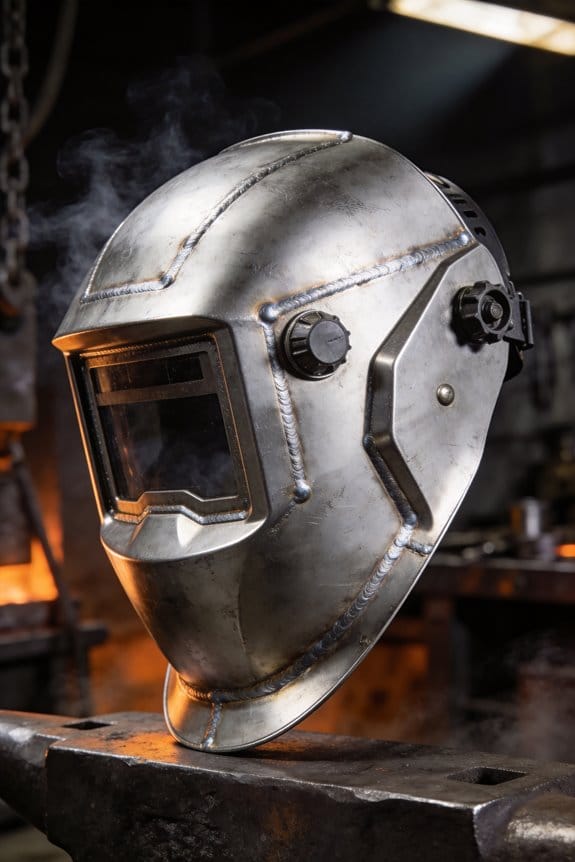
Lighter helmet builds cut neck torque and delay fatigue, keeping alertness on long shifts—learn practical fit and procurement tips, read more.

Lighter helmet builds cut neck torque and delay fatigue, keeping alertness on long shifts—learn practical fit and procurement tips, read more.
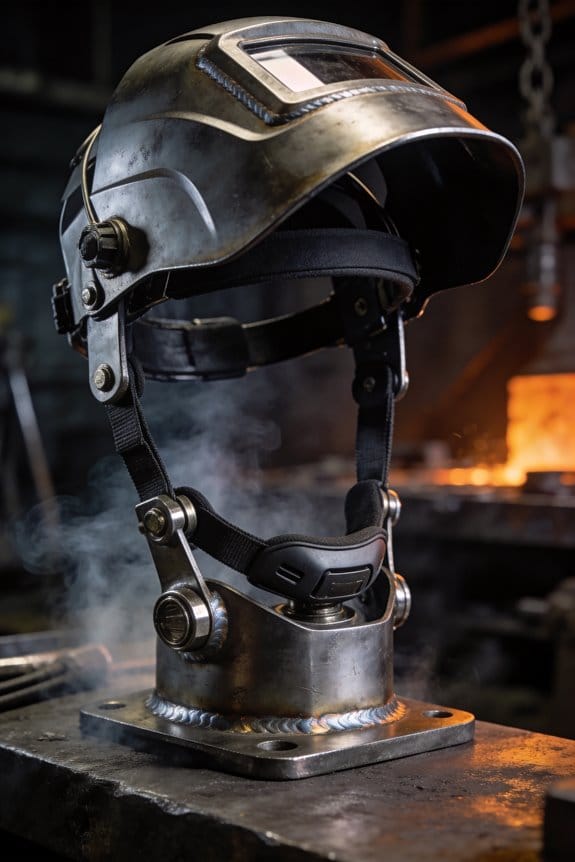
Neck-load reduction in helmets cuts compression and twist to protect your cervical spine. Learn how tilting liners and slip layers help — read on.
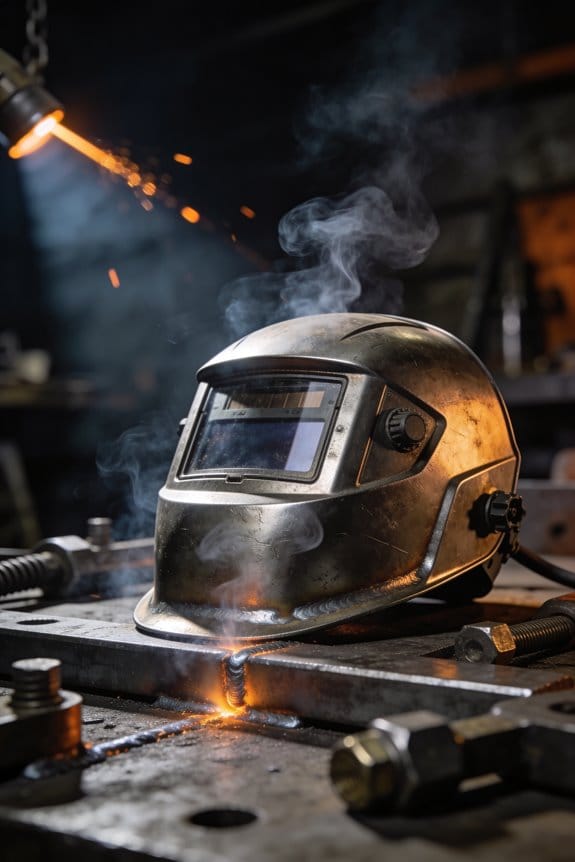
Welding helmet safety matters: learn how standards drive better lenses, faster auto-darkening, and tougher shells for real protection—check labels and learn more.
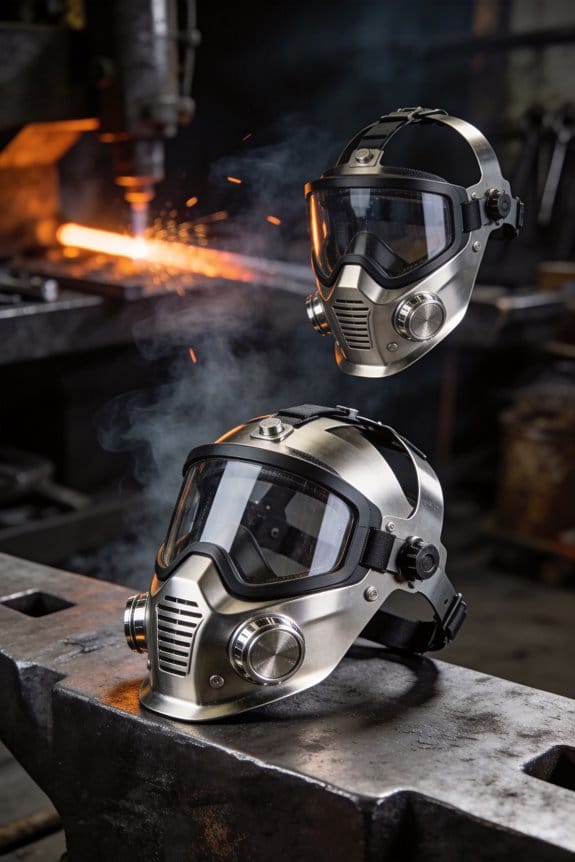
Safety culture now goes beyond helmets and gloves—focus on hazards, fit, schedules, and smart PPE to actually reduce risk. Learn practical steps now.

Eye protection boosts productivity by preventing fogging, slips, and eyestrain so workers stay on task—learn simple steps to implement now.

Clearer true-color optics reduce eye strain and glare so you can weld longer with better precision and fewer breaks — try them and see the difference.

Adjustable sensitivity improves helmet performance by matching settings to each weld, reducing false triggers and catching dim arcs—test presets and tune now.
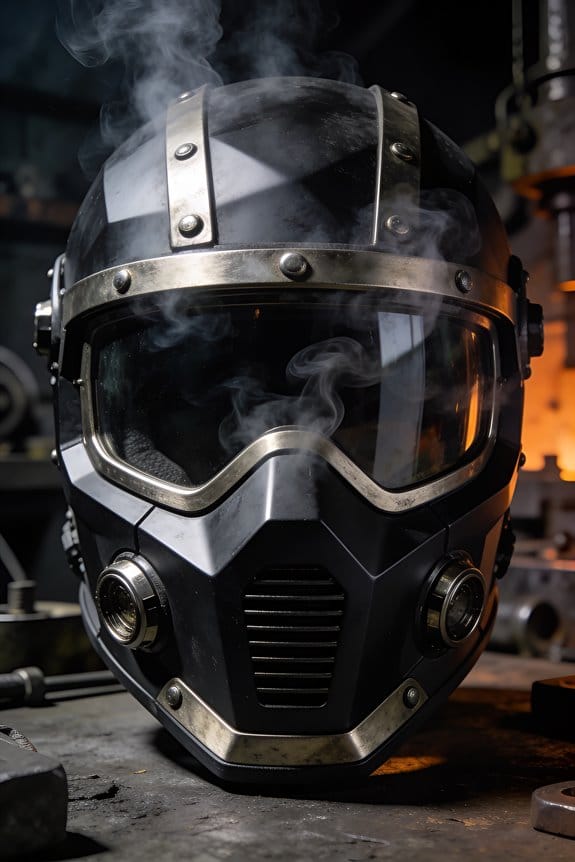
Panoramic visors widen your view (up to ~82°) so you spot hazards sooner, reduce neck strain, and fit HUDs—discover the design details now.

Grinding mode keeps your head protection and clear view for layout and grind work, reducing mistakes and speeding tasks—learn safe switching now.

Auto-darkening welding helmets instantly block harmful arc light so you can see the weld, reduce eye strain, and work faster — learn how to pick one.