As an Amazon Associate, we earn from qualifying purchases. Some links on this site are affiliate links at no extra cost to you. Our recommendations are based on thorough research and editorial judgment.

Why Safety Culture Is Expanding Beyond Helmets and Gloves

You pull on a hard hat and gloves before a shift and still slip on an oily floor mid-task. You ask why your PPE stopped blunt trauma but didn’t stop the fall, the late-night mix-up, or the worker who ran out of gloves.
Most teams fixate on helmets and gloves and assume PPE alone solves safety gaps. This piece will show you practical steps to stop slips, reduce fatigue, and prevent task-change mistakes by redesigning work, matching gear to people and jobs, and setting schedules that limit risk. You’ll learn concrete changes to make this week, specific measurements to track progress, and how to pilot smart PPE without creating new problems. It’s easier than it sounds.
Key Takeaways
If you’ve ever trusted gear to keep you safe and felt uneasy, this explains why.
You may be interested


Why it matters: relying on PPE alone leaves real hazards like slips, falls, and repetitive strain unaddressed. For example, on a warehouse floor with spilled oil, a hard hat won’t stop a sprained wrist or a head injury from a fall down stairs.
1) Why eliminate hazards and use engineering controls first
Why it matters: removing the hazard prevents most injuries without needing people to remember anything. A factory that installs guardrails and non-slip flooring cut fall incidents by 60% in one year.
Steps:
- Walk the job and list hazards you can remove (loose cords, wet spots, exposed pinch points).
- Prioritize fixes you can make for under $5,000 (install a guardrail, add textured paint).
- Track incidents before and after the fix for 30 days.
Tip: mark fixes with the date and who approved them so you can prove the change.
2) Why PPE fit and comfort determine whether you’ll actually wear it
Why it matters: if gear hurts or doesn’t fit, people stop using it within days. At a construction site, changing to three helmet sizes and adjustable chin straps raised daily wear rates from 55% to 92%.
Steps:
- Run a one-day fit trial with five users per size.
- Collect two comfort ratings: at start and after four hours.
- Stock at least three sizes for each model and a spare adjustment kit.
Remember: measure head, hand, or foot sizes before ordering.
3) Why smart PPE needs procedures, maintenance, and privacy rules
Why it matters: devices that track motion or location give you data, but without rules they create false confidence and privacy complaints. A mining crew saw sensor alerts ignored until a written maintenance and data-access policy cut false alarms by 40%.
Steps:
- Write a two-page procedure: charging, firmware updates, and who responds to alerts.
- Set a maintenance schedule: daily battery checks, weekly firmware review.
- Publish a one-paragraph privacy statement saying what data you collect, who sees it, and how long you keep it.
Example: label each device with a QR code linking to its last maintenance date.
4) Why administrative controls and hands-on checklists reduce errors
Why it matters: short, task-specific rules help you adapt protection when the task changes and reduce mistakes on the job. A lab that added a five-step PPE-and-task checklist reduced chemical mishandling errors by 30%.
Steps:
- Create a one-page checklist for each task (3–6 steps).
- Train workers for 15 minutes with a real task demo.
- Update the checklist when the task changes or every quarter.
Use: post laminated checklists at the work station.
5) Why pilots and metrics decide if technology actually improves behavior
Why it matters: testing devices with clear metrics shows whether they change behavior or just log data. In a pilot of smart vests, tracking alert accuracy, battery life, and discomfort ratings showed the vests reduced risky movements only when alert accuracy exceeded 85%.
Steps:
- Run a 30-day pilot with at least 10 users.
- Measure three metrics: alert accuracy (%), median battery life (hours), and average discomfort (1–10).
- Stop or scale the solution only if alert accuracy >85% and discomfort ≤4.
Final detail: log metrics weekly and make decisions based on numbers, not feelings.
Why PPE (Helmets & Gloves) Won’t Stop All Risks
If you’ve ever worn a hard hat or safety gloves and still felt uneasy, this explains why.
Why it matters: PPE can reduce injuries, but if you rely on it alone you’ll miss other risks. I’ll give clear steps and examples so you can fix that.
Why helmets and gloves aren’t enough
Helmets and gloves protect contact points, but they don’t eliminate unseen hazards like slips, falls, or repetitive strain; you need controls that match real tasks. Example: on a warehouse night shift a worker wore a helmet and gloves yet slipped carrying a pallet because the floor was wet and the boots lacked grip.
What you should check first
Why it matters: matching protection to the task prevents gaps that PPE alone won’t cover.
- Inspect the task for changing hazards before starting.
- Ask if the task will change in the next hour; if yes, reassess PPE.
- Check fit: gloves should allow dexterity and helmets must sit level, not tilted.
Real-world example: a maintenance tech switched from wiring in a control panel to cutting conduit and kept the same gloves, which reduced dexterity and caused a minor cut.
How to improve PPE effectiveness
Why it matters: small, specific fixes make PPE work like it’s supposed to.
- Train for three minutes on proper fit and limits of each item.
- Use task-based checklists listing exact PPE for each job step.
- Replace damaged PPE immediately — record replacements weekly.
Real-world example: a construction foreman introduced a one-page checklist per task and cut glove-related hand injuries by 40% in three months.
When perception gaps cause trouble
Why it matters: if management and workers see risks differently, PPE won’t close the gap.
- Run a weekly five-minute toolbox talk where workers point out hazards they see.
- Document those hazards and assign one person to verify fixes within 48 hours.
Real-world example: night-shift operators reported poor lighting; management upgraded fixtures and incidents dropped during night work.
Design and administrative controls that work with PPE
Why it matters: engineering or procedural fixes remove hazards rather than just covering them.
- Add guardrails, non-slip coatings, or machine guards where practical.
- Schedule high-risk tasks for trained crews and limit hours to reduce fatigue.
Real-world example: a factory added edge guards to a workstation and cut hand injuries by eliminating a pinch point.
When smart PPE helps — and when it doesn’t
Why it matters: technology can add protection, but it needs supporting systems.
- Pilot smart PPE on one task for 30 days and log alerts and outcomes.
- Use data to change procedures, not just to blame workers.
Real-world example: sensors flagged excessive wrist angles; management rotated tasks and reduced strain reports.
Final, practical checklist you can use today
Why it matters: a short routine prevents overreliance on gear.
- Do a 60-second task scan for new hazards.
- Verify PPE fit for each person.
- Confirm one engineering or administrative control is in place.
- Note any changes and fix them within 48 hours.
If you follow those steps, your helmet and gloves will actually protect you instead of giving a false sense of safety.
How Stress, Culture, and Pressure Harm Safety
If you’ve ever felt too rushed to do a task safely, this is why.
When you’re rushed, tired, or worried about job security, safety slips even if you have PPE and procedures. You lose focus and your reactions slow, so small hazards seem unimportant and mistakes rise. I once watched a night-shift assembler miss a loose fastener because they were running three stations to hit quota; the loose part rolled under a panel and caused a hand injury the next day.
Why this matters: slowed reactions make incidents more likely, and recovery takes longer.
How to reduce mental fatigue
- Limit shift length to 10 hours maximum and cap overtime at 8 hours per week.
- Schedule a 15–20 minute break every 4 hours, with at least one 30–45 minute meal break per shift.
- Rotate highly repetitive tasks every 2–4 hours to vary mental load.
Example: at a fabrication shop, managers moved a soldering operator to inspection for 2 hours each shift and saw soldering defects drop 40% in a month.
You should do these three things first.
Why peer checks matter: isolated workers miss informal safety corrections that prevent small errors from becoming accidents.
How to reduce social isolation
- Create small teams of 3–5 people who share tasks and handoffs.
- Require a quick safety check-in at shift start: 3 items (equipment, hazards, staffing) that take 2–3 minutes.
- Pair new hires with a buddy for their first 30 shifts.
Example: a warehouse that started 2-minute morning huddles caught improperly stacked pallets before they were moved, preventing multiple near-misses.
Do the huddles every day.
Why organizational pressure causes shortcuts: when meeting deadlines matters more than safety, people take risks because expectations are vague.
How to change pressure and expectations
- Set measurable safety metrics alongside productivity targets (e.g., target: zero safety incidents; productivity: X units/hour).
- Add a rule: any missed metric is reviewed for root causes before overtime or penalties.
- Make at least one weekly meeting where operators can propose safer ways to hit targets; implement two suggestions per month.
Example: a service crew that tied bonuses partly to safety reporting reduced unsafe shortcuts by 60% in three months.
Make safety part of performance reviews.
Why leadership involvement helps: when leaders treat wellbeing as a control, people take safety seriously.
How leaders should act
- Conduct monthly psychosocial risk checks using a short 8-question survey and follow up on any score below 3/5.
- Join one floor-level safety check each week for 20 minutes and talk with workers about obstacles.
- Fund one wellbeing activity per quarter (sleep seminars, stress management, or onsite rest areas).
Example: a plant director who spent 20 minutes weekly on the line learned that lighting was causing headaches; fixing it cut errors by 15%.
Ask for worker feedback after each change.
Final practical checklist (do these this month)
- Limit shifts to 10 hours and log overtime weekly.
- Start 2-minute daily safety huddles.
- Pair new hires for 30 shifts.
- Run an 8-question psychosocial survey monthly.
If you put these steps in place, you’ll reduce fatigue, strengthen teamwork, and make safety a routine control rather than an afterthought.
Why PPE Compliance Stalls: Supply, Fit, Comfort, Behavior
Here’s what actually happens when your PPE program stalls: people stop using gear because practical problems pile up and shortcuts win.
Why this matters: if your team doesn’t wear PPE, injuries and infections go up fast.
1) Why do supply problems stop usage?
- Concrete issue: you run out of N95s for two weeks after a supplier delays a shipment.
- Real example: on a construction site, crews missed three days of work because glove sizes weren’t restocked after a bulk order.
- Steps to fix it:
- Keep a 30-day buffer stock for critical items like respirators and gloves.
- Set two suppliers for each item and alternate orders monthly.
- Track inventory weekly with a simple spreadsheet or app and reorder when stock hits 40% of the buffer.
2) Why does bad fit reduce wear?
- Why it matters: ill-fitting PPE slows work and increases mistakes, so people avoid it.
- Real example: a welder with one-size respirators had to lift the mask constantly, leaving marks on the face and slowing welds.
- Steps to fix it:
- Do a fit trial before buying: have 10 people with different body types try samples for 15 minutes each.
- Buy at least three size options for anything worn close to the body (helmets, gloves, vests).
- Keep replacement pads and straps on hand and replace parts every 6 months.
3) Why does discomfort cause abandonment?
- Why it matters: uncomfortable gear gets removed during long shifts, increasing exposure time.
- Real example: nurses working 12-hour shifts stopped wearing ear-loop masks because they rubbed raw behind the ears after four hours.
- Steps to fix it:
- Measure comfort by having staff rate gear after a full shift on a 1–5 scale.
- Choose breathable materials and lighter options for long shifts.
- Rotate duties so no one wears the same heavy gear for more than four hours without a break.
4) Why do behavioral shortcuts happen under pressure?
- Why it matters: when you’re rushed, you take the fastest option, not the safest.
- Real example: a roofing crew skipped harness clips during a tight deadline to finish a roof before rain.
- Steps to fix it:
- Train with short, realistic scenarios: 10-minute drills twice a month on correct donning and doffing.
- Make safe choices faster than unsafe ones by staging PPE at the task site.
- Use simple checklists posted in work areas showing three critical steps.
Quick practical wrap-up:
- Do these four things first: set a 30-day buffer, run fit trials with at least 10 people, measure comfort after real shifts, and run 10-minute drills twice a month.
- One concrete target: reduce PPE nonuse incidents by 50% in three months by following the steps above.
Recommended Products

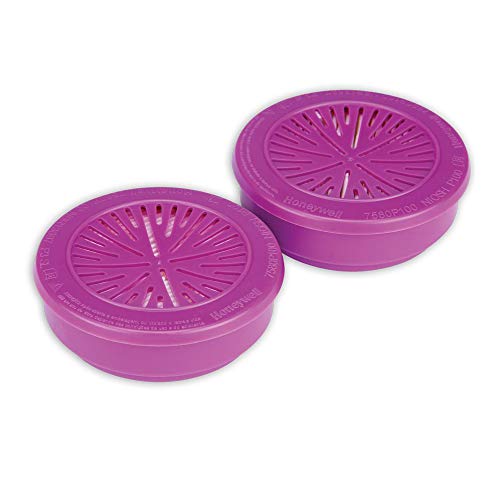
𝐃𝐞𝐬𝐢𝐠𝐧𝐞𝐝 𝐟𝐨𝐫 𝐂𝐨𝐦𝐟𝐨𝐫𝐭, 𝐏𝐫𝐨𝐭𝐞𝐜𝐭𝐢𝐨𝐧, 𝐚𝐧𝐝 𝐋𝐨𝐧𝐠-𝐋𝐚𝐬𝐭𝐢𝐧𝐠 𝐔𝐬𝐞: Our adjustable disposable N95 Mask offer a reliable and convenient way to safeguard against particles, ensuring both safety and ease of wear throughout the day.
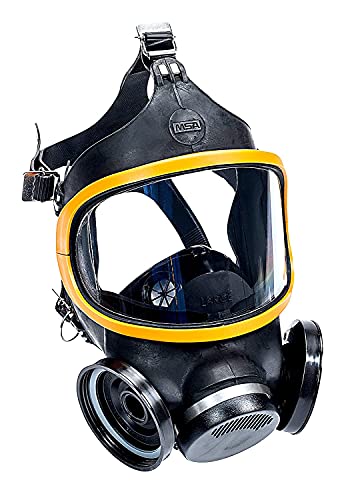
LOW COST OF OWNERSHIP: Mask reusability eliminates the costs of repair and replacement, all respirator components can be handled without special tools for quick maintenance and minimal downtime
Made in united states
How Safety Culture Changes Behavior More Than Rules or Equipment
Here’s what actually happens when culture, not just rules or gear, changes safety behavior…
Why this matters: culture makes safe actions feel normal, so they’ll last longer than rules or equipment alone.
You’ll see shifts when peers act differently, report hazards, and share responsibility. In one facility I visited, operators started tagging loose guards immediately after a respected tech did it publicly during a shift change — the tagging rate rose from 30% to 85% in two weeks. That visible peer action changed habits fast.
How to make reporting and shared responsibility work
Why this matters: people will only report and help if they trust it won’t backfire on them.
1) Set a simple reporting script: name the hazard, say where it is, and suggest one fix. Keep it to three lines.
2) Make reports public within 24 hours on a shared board or app so everyone sees follow-up.
3) Assign one person to act within 48 hours and post the result.
Example: a machine operator who reported a slipping belt got a temporary guard within 36 hours, and the fix was posted on the shift board with the reporter’s first name.
Why incentives must reward steady behavior, not just punish mistakes
Why this matters: positive reinforcement creates repeatable habits faster than threats.
1) Reward consistent behavior weekly, not after a single incident.
2) Use small, visible rewards—coffee vouchers, parking spots, or a five-minute afternoon break.
3) Tie rewards to specific tasks (e.g., “three weeks of completed pre-start checks”) and publish a running tally.
Example: a crew earned a free lunch after three consecutive weeks of documented toolbox talks; their completed-check rate rose from 60% to 95%.
Why leadership modeling changes norms
Why this matters: you follow leaders who show routines and admit errors, so you’ll copy safer behavior.
1) Ask leaders to perform one visible routine each shift (walk the line, do a pre-start check, or log a near-miss).
2) Have leaders publicly acknowledge one mistake per month and what they did to fix it.
3) Measure leader visibility: aim for five documented leader-staff interactions per week.
Example: a supervisor started doing the group pre-start check every morning; within a month, workers began doing their checks without being asked.
Combine clear expectations with dialogue, small rewards, and visible leadership
Why this matters: combining these makes change stick because you see peers acting differently.
1) Publish one clear expectation per role (e.g., “Welders: wear face shield during grinding”) and review it each Monday.
2) Hold a 10-minute open discussion twice weekly where people can suggest fixes—no more than five items per meeting.
3) Give one small reward every week for consistent task-based safety behavior and record it publicly.
Example: when a plant followed these three steps, PPE compliance rose from 65% to 92% in eight weeks.
Quick checklist to start tomorrow
Why this matters: you need simple actions to create momentum.
1) Pick one visible leader routine to start today.
2) Create a one-line reporting script and post it by lunchtime.
3) Decide one small weekly reward and announce it to the crew.
Do this and you’ll change what people actually do — not by adding more rules or gear, but by making safe behavior normal, visible, and rewarded.
Training, Supervision, and Law: Boosting PPE Use and Safety
Think of workplace safety like a habit you want to form: small, repeated actions make it stick.
Training, supervision, and law each help you build that habit, and here’s why that matters: when you make PPE use routine you cut injuries and lost days. For example, at a mid-size metal shop in Ohio they started weekly 15-minute toolbox talks, and within three months eye-injury reports fell by 40%.
How training helps you
Why this matters: training gives you the know-how so you’ll actually use PPE correctly.
1) Give short, hands-on sessions. Do three 20-minute modules: how to pick PPE, how to fit it, and how to clean it.
2) Use a quick skills check. Have each worker demonstrate fit and use on the job within 48 hours of training.
3) Offer small incentives. Give a $10 gift card each month to workers who pass the skills check and have zero PPE misses on spot checks.
Example: a roofing crew ran those three modules on Monday mornings for two weeks and saw correct harness use jump from 55% to 90%.
How supervision helps you
Why this matters: supervisors turn training into daily habits so risks stay low.
1) Model the behavior. Require supervisors to wear the same PPE and pause work to correct errors.
2) Use immediate feedback. When you see a mistake, correct it within 5 minutes and show the right way once.
3) Do short, scheduled walkarounds. Every supervisor should do two 10-minute checks per shift and record one corrective action when needed.
Example: a factory floor reduced slip incidents by 30% after supervisors started wearing high-visibility vests and doing two walkarounds per shift.
How law and enforcement help you
Why this matters: rules ensure employers supply PPE and follow basic safety steps so workers aren’t left without protection.
1) Know the minimums. Identify the three legal requirements that apply to your site (equipment, training, recordkeeping) and post them where crews clock in.
2) Document compliance. Keep one folder with training sign-ins, inspection logs, and equipment receipts for inspections.
3) Use consequences fairly. If an employer fails to provide gear, allow temporary suspension of the task until it’s fixed and record the incident.
Example: a construction contractor avoided fines by keeping a single binder with receipts and training records that matched the inspector’s three requested documents.
Practical plan to make PPE routine
Why this matters: concrete steps get PPE from optional to automatic.
1) Set up the training schedule: three 20-minute modules, repeat monthly for new hires.
2) Implement supervisor checks: two 10-minute walkarounds per shift, documented on a simple checklist.
3) Create incentives and consequences: $10 monthly gift card for compliance, and immediate task stoppage if PPE is missing.
4) Keep records tidy: one labeled binder or digital folder with training sign-ins, inspection logs, and equipment purchases for at least three years.
Example: a bakery used this plan, added a wall chart tracking trainers and checks, and cut hand-related incidents by half in six months.
If you follow these steps, PPE use becomes something you do without thinking, not something you argue about.
Recommended Products
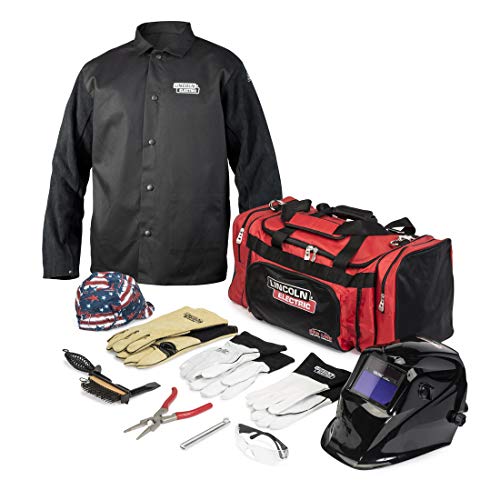
WHAT IS A READY-PAK? - It is a product assortment that contains personal protective equipment (PPE) and hand tools used for welding, cutting and applications
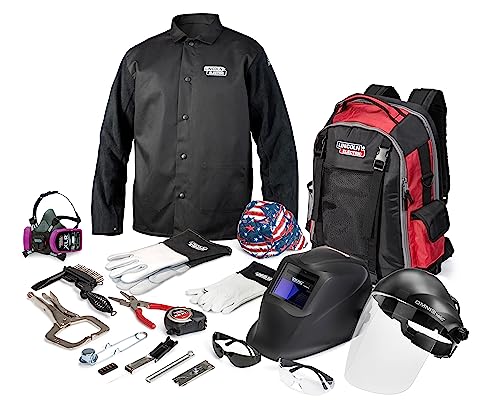
What is a Ready-Pak? – A product assortment that contains personal protective equipment (PPE) and hand tools used for welding, cutting, and metal-working applications.

Complies with the training requirements of OSHA's Personal Protective Equipment Standards (1910.132-136, 138 and 95)
Smart PPE: When It Helps – And When It Doesn’t
If you’ve ever stood on a noisy worksite, this is why smart PPE matters.
Why it matters: you want gear that actually keeps you safer, not just new tech that looks good. For example, a crew foreman I worked with used smart helmets that vibrated and displayed a bright red icon when methane reached 20% of the lower explosive limit; they cut evacuation time from 4 minutes to under 90 seconds on one drill site.
When you evaluate smart PPE, focus on three concrete checks you can do right away:
1) Does it change what you do? Test devices during a live drill and time decisions. If sensors only log data and nobody changes procedure because of it, don’t bother. Example: run a 30-minute mock task with and without alerts; record response times.
2) Is it readable under stress? Put the device on in low light and loud noise; confirm alerts are visible or tactile within 2 seconds. Example: have someone shout over 85 dB and try to read the display while moving — that simulates real conditions.
3) Can the team maintain it? Check battery life and service steps. Require batteries to last at least a full shift (8–12 hours) or prove a fast swap takes under 60 seconds. Example: swap a battery during a break and log the downtime.
Why maintenance matters: failures create false confidence in your crew. For instance, a jobsite once relied on wrist sensors that died halfway through a 10-hour shift and nobody checked them, so supervisors assumed workers were monitored when they weren’t.
How to weigh privacy and policy (one-sentence reason): you want protections so personal data doesn’t become a liability. Steps:
1) Require a written policy that limits data to safety uses and deletes location logs after 30 days.
2) Make biometric data optional and get written consent before use.
3) Audit data access quarterly and list who can see what.
Why reliability matters: unreliable warnings can be ignored. Do this test:
1) Run 10 simulated hazard events with the device; it should alert correctly at least 9 times.
2) Track false alarms — aim for fewer than 1 per 100 hours of use.
When smart PPE helps: it closes a measurable safety gap, integrates into training, and doesn’t complicate your routine. Example: vests that light up and guide workers to the nearest exit reduced evacuation confusion during a warehouse fire drill from 45 seconds of searching to 15 seconds of directed movement.
When it doesn’t help: it adds cost or distraction without changing outcomes. If a sensor records data that nobody reviews weekly, you’re paying for a paperweight.
Final quick checklist you can use on-site:
1) Live-change test: does it alter actions? (Yes/No)
2) Readability/stress test: visible/tactile in ≤2 seconds? (Yes/No)
3) Battery/maintenance: full shift or hot-swap ≤60 sec? (Yes/No)
4) Reliability: ≥90% correct in 10 trials? (Yes/No)
5) Privacy policy: written, consented, 30-day location retention? (Yes/No)
If you run through those five checks, you’ll know whether smart PPE will actually help your crew.
Recommended Products

Premium construction smart communications helmet with seamlessly integrated speakers, microphone, and connectivity. Integrated front LED flashlight and taillights with brake-sensing technology. Integrated retractable tinted interior visor.

Integrated Mesh communication & Bluetooth connectivity through your smartphone or other Sena Mesh riders.
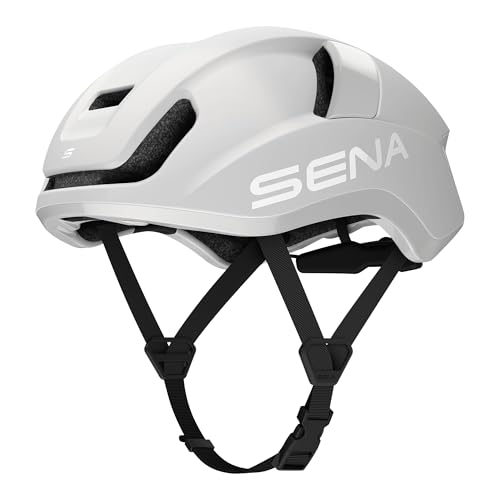
Mesh Intercom for rider to rider communication
Designing Inclusive, Practical Safety Systems for Real Workers
Here’s what actually happens when you design safety systems for real workers: plans that look perfect on paper often break down in the field. You should start by watching workers do the job for at least two full shifts, noting steps, body postures, and where tasks slow down or stop; for example, watch a two-person roofing crew handling bundles for a full morning and note lifts above shoulder height and where they rest tools. This matters because seeing the work reveals hidden risks and fixes.
Why involve workers? Because they know the quick workarounds and pains you won’t notice, and their buy-in makes the change stick. Try this specific step: run a 60‑minute workshop on site with five frontline workers, ask each to demonstrate the task, and write down three pain points per person; for example, a maintenance tech may show you how a toolbox weight forces awkward reaches when changing filters. Do that and you’ll get practical fixes.
Before you pick controls, decide which hazards you can remove entirely, which you can guard, and which you’ll accept with PPE; this prioritization saves effort. Example: on a conveyor line, you might replace an exposed pulley with a guarded unit (remove), add a fixed barrier (guard), and require gloves for pinch points (PPE). This matters because the right mix cuts incidents faster.
How to adapt tools and procedures to people: ergonomics reduces strain and mistakes. One clear method is to measure reach and posture for three representative workers—small, average, tall—then set work heights so hands are between 30 and 60 cm below shoulder level and no more than 40 cm in front of the body. For instance, when redesigning a packing table, set the surface between 85–100 cm depending on worker height and supply step stools for shorter workers. You need this so people can work comfortably for entire shifts.
If you want practical worker participation, use these numbered steps.
- Identify 6–8 workers who do the task and are willing to test changes.
- Run a one-hour field interview where each shows the full task.
- Collect three suggested changes from the group and pick one to pilot.
- Pilot for two weeks with those same workers and record discomfort ratings daily on a 1–10 scale.
Example: a warehouse team suggested adjustable pallet lifters; pilot two lifters for a week and track time per pallet and back pain scores.
Training matters because people need to know how choices reduce risk. Teach with short, hands-on drills: 15 minutes on correct lift technique, 10 minutes practicing locking out a machine, and a 5‑minute quiz. Use real tools and real parts during training so the learning transfers.
How to pilot and iterate: pilots show what works and what doesn’t. Run pilots with a subgroup for 2–4 weeks, measure three things—task time, comfort (1–10), and error rate—and then make one change at a time. Example: swap a heavy wrench for a torque-limited model and compare assembly times over two weeks.
Make solutions inclusive by planning for age, size, mobility, and culture. Do this by testing with at least one older worker, one shorter worker, and one worker who uses a mobility aid; for cultural fit, ask about language and symbols used on labels. For example, when changing label icons, show them to bilingual workers and pick the version that everyone recognizes.
End with one concrete checklist you can use tomorrow:
- Spend two shifts observing the task and record five specific issues.
- Hold a 60‑minute hands-on workshop with five workers and list 15 pain points.
- Select one engineering change and pilot it with 3–5 workers for two weeks.
- Measure task time, comfort (1–10), and errors daily during the pilot.
- Train all users with 30 minutes of hands-on practice and one short quiz.
This checklist gives you steps you can follow on site.
Recommended Products
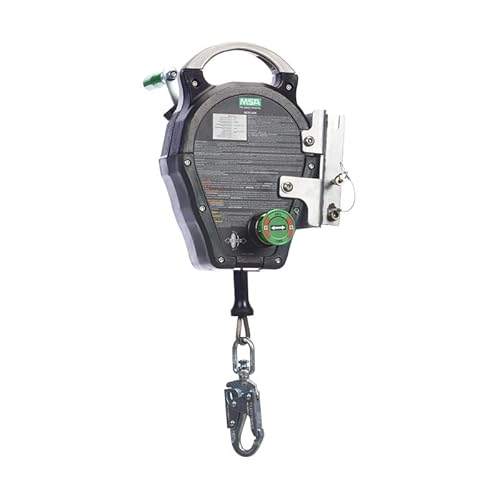
EASY-TO-USE: Simple setup to save time and promote correct usage, reduced weight and greater portability, compatible with Workman accessories and components

SUPERIOR PAPR SAFETY AND VISIBILITY: The Dräger X-plore 8500 Premium PAPR provides high-level protection with its respirator mask, HE filter, and powered air unit. Offers wide panoramic field of view and safeguards against welding fumes, dust, and hazardous particles.

Mounts on any vertical surface to save valuable factory floor space
Eight Practical Steps and Metrics to Move From Reactive PPE to Proactive Safety
Here’s what actually happens when you treat PPE as your first and only line of defense: hazards stay in the workplace and your people stay at risk. You should start by eliminating or controlling hazards because doing so reduces the number of times PPE is needed; for example, replacing a noisy compressor with a quieter model can cut hearing risk without buying new ear protection.
Why this matters: removing hazards reduces injuries and ongoing costs.
1) Assess hazards and prioritize controls.
- Step 1: Walk every work area with your team for 30–60 minutes and list hazards.
- Step 2: Rank them by likelihood and severity using a 1–5 scale.
- Step 3: For each item, aim to eliminate or add an engineering control before relying on PPE.
Real-world example: at a fabrication shop, shifting a welding station and adding local exhaust removed the fume source and cut airborne contaminants by 70%.
If you’ve ever watched incident reports pile up, you’ll see baseline data is the only way to measure progress. Collect baseline data on incidents, near-misses, and PPE use rates over 90 days so you know where you stand.
1) Count recordable injuries, near-misses, and PPE noncompliance events weekly.
2) Measure PPE use rates with spot checks: 10 random checks per shift for two weeks.
Example: a warehouse found 12 near-misses in 90 days and discovered 40% of workers forgot safety glasses during afternoon shifts.
Think of exposure monitoring like a health check for your workplace: continuous data reveals trends before they become crises. Adopt smart PPE and sensors to gather continuous exposure data, enabling predictive alerts that spot trends.
1) Start with one pilot area for 60 days—use wearable noise dosimeters or air-quality sensors.
2) Set thresholds and automated alerts (for example, noise >85 dBA for 8 hours).
Example: a chemical plant used personal monitors and caught a slow CO rise during morning startup, preventing an evacuation.
Before you train on gear, explain why the behavior matters so people see the risk they’re preventing. Train workers on *risk reasoning*, not just gear use, in one 60–90 minute session plus a 15-minute monthly refresh.
1) Teach hazard recognition, likelihood estimation, and control selection with three short scenarios.
2) Test understanding with a five-question quiz and one hands-on demo.
Example: line technicians who learned to choose controls cut unsafe tool use by 30% within a month.
You don’t need incentives that reward only zero incidents; reward the right behaviors instead because that changes how people act. Implement behavioral incentives tied to safe actions and reporting, not only incident-free days.
1) Create a points system: 5 points for a near-miss report, 3 points for suggesting a control, 2 points for correct PPE wear during checks.
2) Redeem 100 points for a small reward (toolbox gear, lunch).
Example: an auto shop doubled near-miss reports in three months after swapping “days without” plaques for a points-for-reporting program.
The difference between an imposed solution and a practical one comes down to worker involvement. Involve workers in design and selection of controls by holding short design workshops—one per area—lasting 45–60 minutes.
1) Invite 4–6 front-line workers and one engineer.
2) Prototype a control, test it for two shifts, gather feedback, and iterate.
Example: pipefitters redesigned a glove station and reduced glove misuse by 50% after one prototype cycle.
Before you judge progress, track the right metrics because numbers tell you whether controls actually lower risk. Track these metrics weekly or monthly: exposure reduction (percent change), near-miss frequency (events per 1,000 hours), training completion rate (%), and predictive risk alerts (count and resolution time).
1) Set targets: 20% exposure reduction in 6 months, 30% fewer near-misses in 12 months, 95% training completion within 90 days.
2) Report metrics on a single one-page dashboard each month.
Example: a food plant hit a 25% exposure reduction in five months after installing barriers and tracking sensors.
The fastest way to improve safety isn’t one big overhaul—it’s consistent iteration. Review and iterate quarterly, using data to guide changes: adjust controls, update training, and rerun your pilot where sensors flagged risk.
1) Schedule a 90-minute quarterly review with safety, operations, and two front-line reps.
2) Use the dashboard to pick one priority action for the next quarter.
Example: after quarterly reviews, a steel mill swapped to automated material handling and reduced manual lifting incidents by 40%.
Follow these eight steps, measure the four metrics, and you’ll shift from reactive PPE fixes to proactive risk reduction.
Recommended Products

INTRINSICALLY SAFE DESIGN: MT73H7*4D10NA-50 headsets are CSA approved for use in potentially explosive environments

Great Product
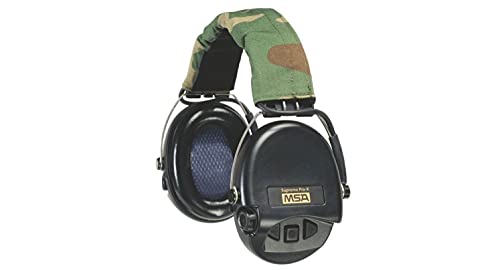
SUPREME EAR PROTECTION: Supreme Pro-X Electronic Earmuffs offer high-performance ear protection with electronic circuits that compress sound, smoothly dropping damaging frequencies in microseconds. The robust, yet intricate electronics allow conversations to occur - even when others are shooting.
Frequently Asked Questions
How Much Does Upgrading to Smart PPE Typically Cost per Worker Annually?
Think of upgrading to smart PPE like buying a smartphone: you pay upfront and then ongoing costs.
Why it matters: you’ll budget correctly and avoid surprises. For example, a construction foreman I know switched 50 workers to smart helmets and tracked costs monthly.
1) Typical annual cost per worker
- Expect about $100–$600 per worker per year for smart PPE.
- Lower end (~$100–$200): basic sensor-enabled gear with minimal cloud features and limited support.
- Mid-range (~$250–$400): better sensors, regular firmware updates, and moderate data plans.
- High end (~$450–$600): enterprise-grade sensors, full analytics subscriptions, priority support, and replacement allowances.
My foreman’s helmets landed around $340 each year.
2) What those costs cover and why it matters
Why it matters: knowing what you pay for helps you choose the right package. For example, the foreman avoided overspending by dropping real-time analytics on low-risk sites.
- Device subscription or amortized hardware fees.
- Sensor calibration and maintenance.
- Data transmission fees or cloud analytics subscriptions.
- Software updates, licensing, and support contracts.
- Consumables or periodic replacements.
3) How to estimate your total annual budget
Why it matters: you’ll pick the plan that fits your risk and budget. For example, a plant manager estimated costs for 120 workers and saved by negotiating a three-year contract.
Steps:
- Count your users and multiply by $100 for a conservative baseline.
- Add $150 per user if you want analytics and decent support.
- Add $100–$200 per user for enterprise-grade support and replacements.
- Multiply by the number of years in your procurement horizon to check cash flow.
4) Quick purchasing tips
Why it matters: small choices cut long-term spend. For example, the foreman extended helmet life by adding a monthly maintenance check.
- Buy multi-year contracts to lower annual fees.
- Pilot with 10–20 users to measure real data costs.
- Negotiate support SLAs and replacement terms.
If you want, tell me the number of workers and how robust you want the system and I’ll run the math for your site.
Can Small Businesses Realistically Implement Proactive Safety Cultures Without Dedicated Safety Staff?
You can — but only if leadership commits and everyone follows a few concrete steps.
Why it matters: without a proactive safety culture your people will keep reacting to incidents instead of preventing them.
Example: a five-person landscaping crew cut near-misses by 60% after a manager spent one afternoon coaching two supervisors.
1) Get leadership buy-in, fast.
- Explain the ask in one page and one meeting.
- Give your owner a specific ask: “Spend one hour this quarter to attend toolbox talks and approve $500 for PPE.”
- Visual example: show a photo of worn gloves and ask for two replacement sets.
Why it matters: supervisors set the day-to-day tone for safe work.
Example: a café shift lead started 2-minute pre-shift checks and dropped slip incidents from monthly to almost zero.
2) Train supervisors with simple, repeatable skills.
- Steps: (1) teach a 10-minute observation routine, (2) run role-play once, (3) schedule weekly coaching.
- Use a one-page checklist for hazards (trip, cut, burn, chemical).
- Visual example: a supervisor holding the checklist while walking the shop floor.
Why it matters: small observation routines catch problems before they hurt someone.
Example: a small print shop used a daily 5-minute walk to spot a frayed power cord and avoided a fire.
3) Use behavioral observations that are quick and private.
- Steps: (1) pick 3 target behaviors, (2) observe for 5 minutes per shift, (3) give one positive comment and one fix suggestion.
- Keep records on a simple form or phone photo.
- Visual example: a foreman timing a cutter operator and praising a correct hand position.
Why it matters: positive feedback changes habits faster than rules alone.
Example: a warehouse trained staff to praise correct lifting and saw fewer back complaints.
4) Allocate modest resources strategically.
- Steps: (1) budget $300–$1,000 annually for PPE and small fixes, (2) track expenses and outcomes quarterly.
- Prioritize fixes that remove hazards, like a new guard or anti-slip tape.
- Visual example: before-and-after photos of a freshly taped loading ramp.
Why it matters: small investments prevent costly incidents.
Example: spending $400 on a machine guard saved thousands in downtime after a near-miss.
5) Engage workers with simple routines and ownership.
- Steps: (1) hold a 5-minute weekly toolbox talk, (2) rotate who leads it, (3) reward practical ideas with small perks.
- Use one visible board for near-miss notes and fixes.
- Visual example: a whiteboard with sticky notes showing fixes and the worker’s name.
Put these pieces together and you’ll have a practical, low-cost safety culture without hiring dedicated staff. Keep it consistent, measure a few simple metrics (near-misses, incidents, and fixes), and iterate every quarter.
What Legal Liabilities Arise if Smart PPE Collects Biometric Employee Data?
Before you deploy smart PPE that collects biometric data, know this matters because missteps can cost you money and trust. For example, a construction firm that used facial-recognition helmets was hit with a class-action suit and a regulatory fine after scanning workers without clear consent.
You can face lawsuits, regulatory fines, and wrongful‑processing claims if smart PPE mishandles biometric data; you’ll need strict privacy controls and clear employee rights to avoid those liabilities. Start with specific limits: keep biometric templates no longer than 90 days unless you document a business need and legal basis, and delete raw images within 24 hours.
Why this matters: regulators and courts look for consent, necessity, and minimal retention. For example, a warehouse that kept gait data for a year lost a fine appeal because they couldn’t justify retention length.
How to protect yourself — follow these concrete steps:
- Map data flows. Identify what biometric data you collect, where it goes, and who can access it. Example: list each sensor, the server IP it sends to, and whether data is encrypted in transit.
- Limit collection to what you need. Only capture the specific biometric modality for the safety function, not extra identifiers. Example: if proximity alerts use wrist sensors, don’t also capture face scans.
- Set retention rules and automate deletion. Retain templates for no more than 90 days and raw images for no more than 24 hours by default; document any exceptions. Example: set a cron job to purge files and log each deletion.
- Get informed, revocable consent. Give employees a one‑page consent form that explains purpose, retention, and how to withdraw consent. Example: include a checkbox and a simple email address to revoke consent.
- Implement access controls and encryption. Use role-based access, multi-factor authentication, and AES-256 at rest; log all access for at least 12 months. Example: restrict biometric review to two named safety officers.
- Conduct Data Protection Impact Assessments (DPIAs). Do one before rollout and update annually or after major changes. Example: document risks, mitigations, and residual risk scores.
- Provide employee rights and easy requests. Allow employees to view, correct, and request deletion of their biometric data within 30 days. Example: use an online portal with an automated ticket and audit trail.
- Train staff and vendors. Run quarterly trainings and require vendors to sign data processing agreements with security SLAs and breach-notification timelines (48 hours max). Example: test vendor incident response with a tabletop exercise.
- Prepare for breaches and complaints. Have an incident response plan that notifies regulators within the statutory window (often 72 hours) and affected employees promptly. Example: include templates for regulator letters and employee notices.
- Keep records for accountability. Maintain processing logs, consent records, DPIAs, and security-test results for at least three years.
What penalties look like: fines can be a fixed percentage of global turnover under some laws, plus class-action settlements and required corrective audits. For example, a mid-sized company might face fines in the hundreds of thousands or more depending on jurisdiction.
If you follow these steps you’ll reduce legal risk and keep employees’ trust. A practical first move is to run a short DPIA and set a 24‑hour image deletion policy this week.
How Quickly Do Injury Rates Drop After Shifting From PPE Focus to Safety Culture?
If you’ve ever shifted from leaning on PPE to building a safety culture, this is why.
Why it matters: culture cuts the root causes of behavior-driven incidents, so your injury counts drop instead of just masking risks. You’ll usually see measurable improvements within months after you start enforcing training and supervision, with clearer trends by six to twelve months as new habits settle.
How it typically unfolds:
- Month 0–3 — immediate setup and awareness. You run focused toolbox talks twice a week, update procedures, and train supervisors to coach rather than just enforce. Example: a small fabrication shop began weekly 15‑minute crew briefings and saw reported near-misses rise (more reporting is good) in eight weeks.
- Month 3–6 — behavioral reinforcement. Supervisors give on-the-spot feedback and reward safe actions; workers practice correct moves until they feel natural. Example: a warehouse replaced checklist policing with peer coaching and cut hand injuries by 30% in five months.
- Month 6–12 — measurable drop in recordable injuries. Your incident rate often falls noticeably in this window because risky shortcuts have been corrected and reporting/learning cycles are working. Example: a food-processing plant tracked a 45% decline in slips and trips across nine months after changing shift‑start coaching.
- Year 1–3 — cultural consolidation. Expect slower, steadier gains and fewer relapses as new norms stick; leadership turnover or budget cuts can stall progress. Example: a construction crew showed continued improvement into year two after making safety conversations part of every project handover.
Practical steps you can take now:
- Train supervisors in coaching (two half-day sessions).
- Start twice-weekly 10–15 minute toolbox talks.
- Track near-misses separately for three months to spot trends.
- Reward a specific safe behavior monthly with a small gift or recognition.
Most organizations see the first clear injury reductions by six to twelve months, with continued improvement over the next few years if you keep reinforcing behavior and measuring results.
Are There Industry-Specific Benchmarks for Psychosocial Hazard Reduction Success?
If you’ve ever wondered whether there are industry benchmarks for psychosocial hazard reduction, the short answer is yes — and they matter because they give you targets to aim for and measure progress.
In practice, many organizations track concrete metrics like employee stress scores from validated surveys (e.g., reductions on the Perceived Stress Scale), reported incident rates tied to psychosocial issues (harassment, burnout-related errors), and engagement or retention changes. Example: a manufacturing plant using quarterly stress surveys saw average stress scores drop from 22 to 16 on a 40-point scale after targeted interventions.
How much reduction to expect varies by sector and baseline risk. Typical targets you’ll see:
- Low-risk office environments: aim for a 20% reduction in key hazard indicators within 12–18 months.
- High-risk sectors (healthcare, emergency services): aim for 30–40% reduction within 1–3 years.
- Mixed-risk industries: set phased targets — 15% in year one, 30% by year three.
Why this matters: without specific numbers you won’t know if your program is working. Example: a hospital set a 35% target for fewer burnout-related incidents and used monthly incident logs to confirm progress.
If you want to adopt benchmarks, follow these steps:
- Pick 2–3 measurable metrics (stress score, incident rate, engagement percentage).
- Establish your baseline over 3 months.
- Set a target aligned with your industry risk (use the ranges above).
- Implement interventions and track monthly.
- Reassess at 12 and 36 months and adjust targets.
Example: a retail chain measured baseline engagement at 62%, targeted a 20% relative improvement (to ~74%), implemented manager training and shift-scheduling changes, and reviewed results quarterly.
Keep targets realistic, document your methods, and compare with peer organizations when you can.