Why Compact MIG Platforms Fit Today’s Smaller Workspaces
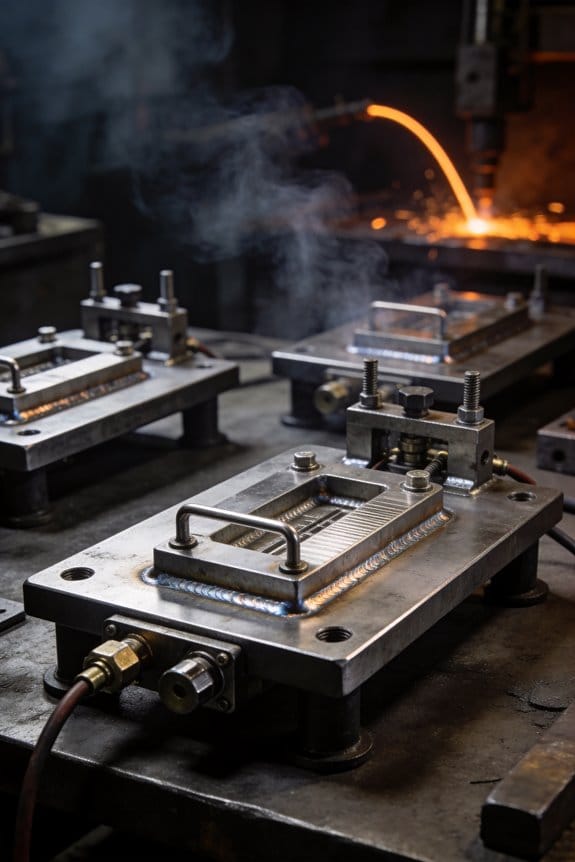
Compact MIG platforms fit into tight corners and between beams—about 12–14" wide and under 35 lb—so you can carry them into mezzanines; learn placement tips now.

Compact MIG platforms fit into tight corners and between beams—about 12–14" wide and under 35 lb—so you can carry them into mezzanines; learn placement tips now.
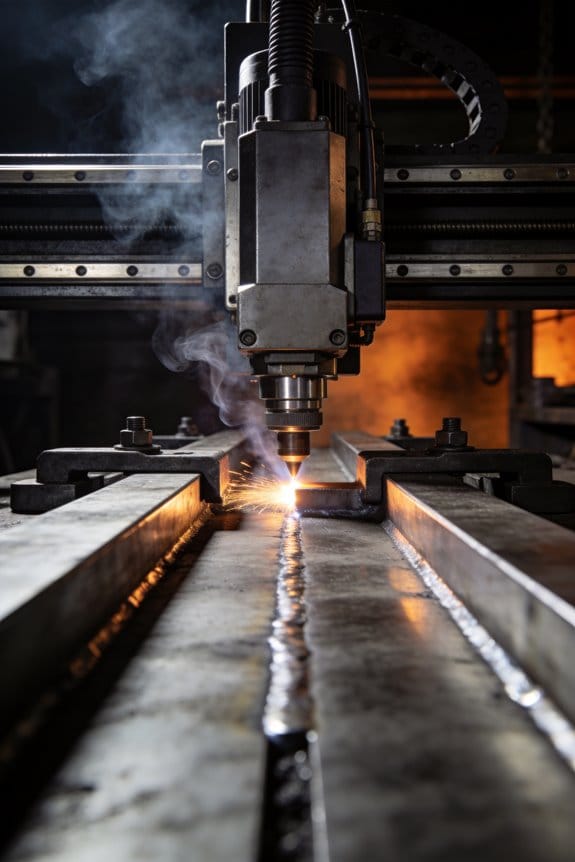
Multiprocess welders save time and money by combining MIG/TIG/Stick/Flux‑Core in one inverter with smart tuning—see how they simplify shop work.
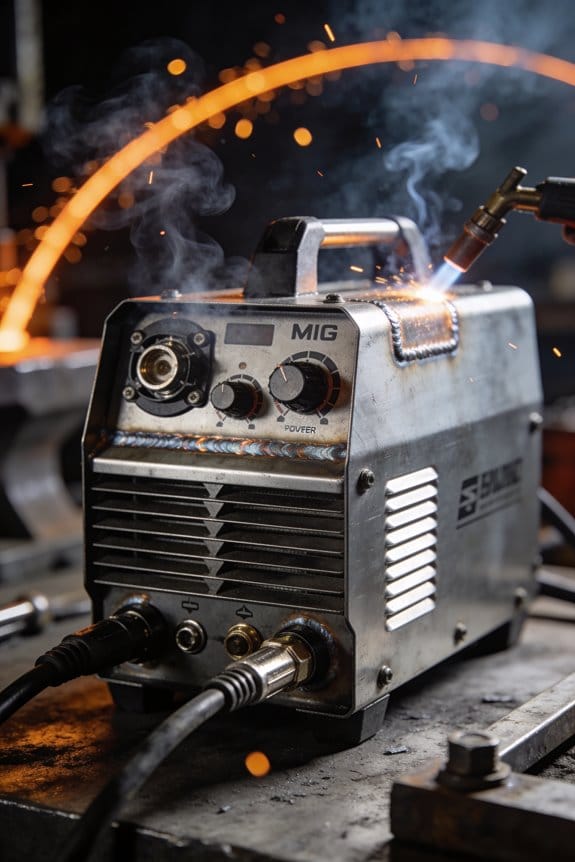
Inverter MIG machines cut weight and setup time so you can bring the welder to the part—get reliable, low‑spatter welding with saved settings. Learn how.
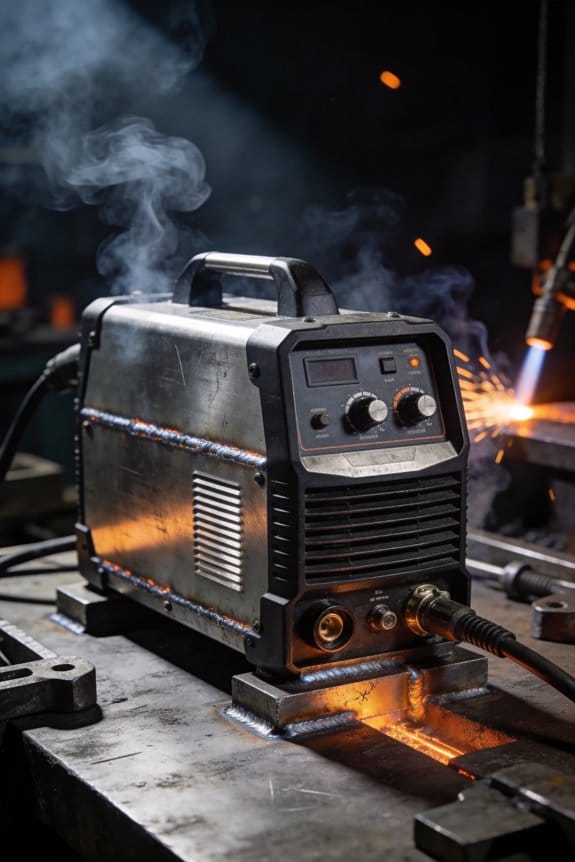
Entry-level welders favor inverter welders for lighter gear, faster setup, cleaner beads and less rework—learn specs, ROI and tradeoffs. Explore now.
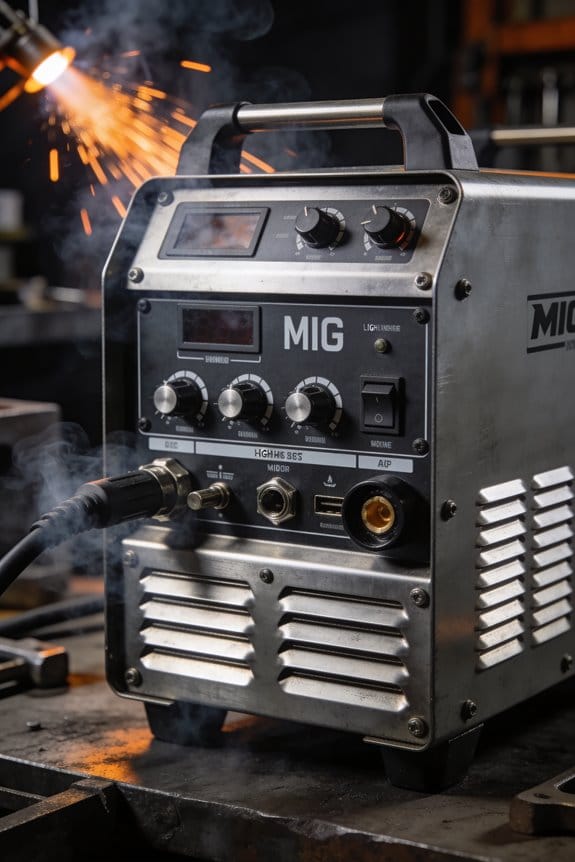
Lightweight MIG machines make solo mobile welding easier—less lifting, faster setups, and compatible with small generators. Learn how to pick one now.

Arc stability in MIG welding keeps arcs predictable, cuts spatter and distortion, and boosts speed—learn how to tune it for better welds now.
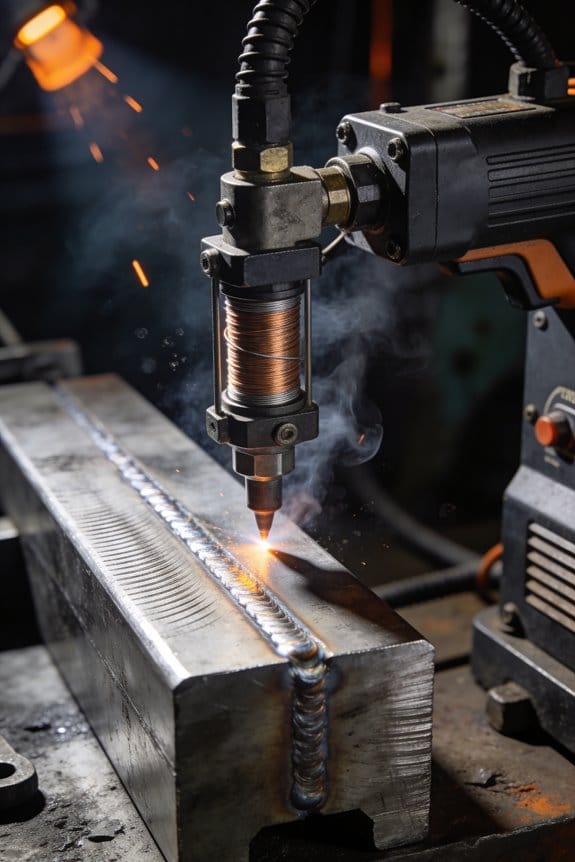
Wire feed stability matters: newer MIG systems magnify tiny feed faults, so steady feed fixes arc issues and spatter — check liners/rolls and tune now.
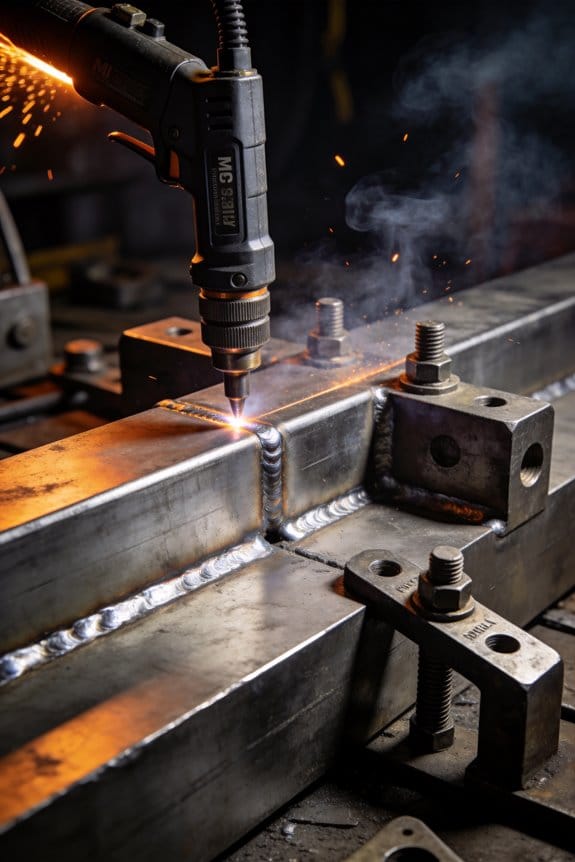
Energy-efficient inverter MIG welders cut power use, lower shop heat, and reduce rework—save money and emissions. Learn how to pick one today.
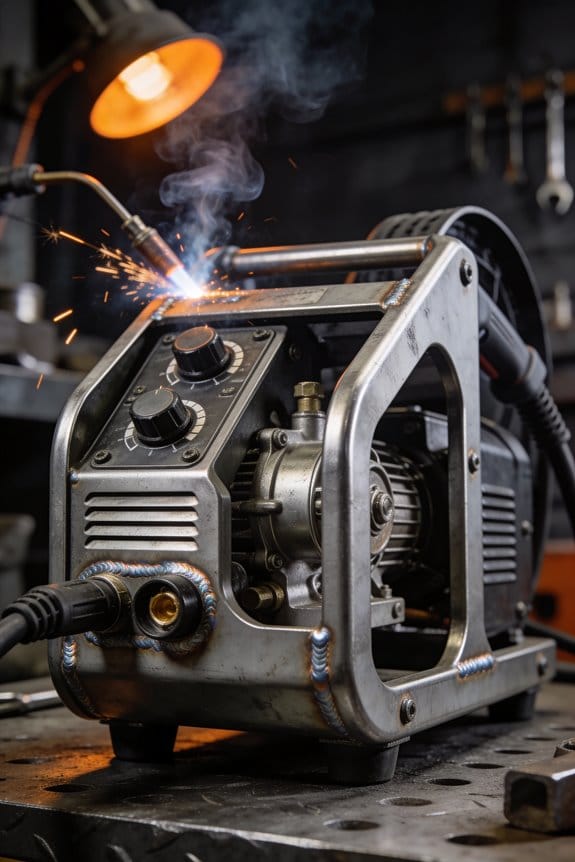
Portable MIG welders bring shop-level welding to the field—lighter, 120V or battery-ready, low-spatter performance and multi-process versatility. Learn more now.

Multiprocess welder: get MIG, TIG, and stick in one rig to save space and cash. Learn what TIG limits to check and how to test—read on.