Why Aluminum Welding Still Drives Interest in TIG Equipment
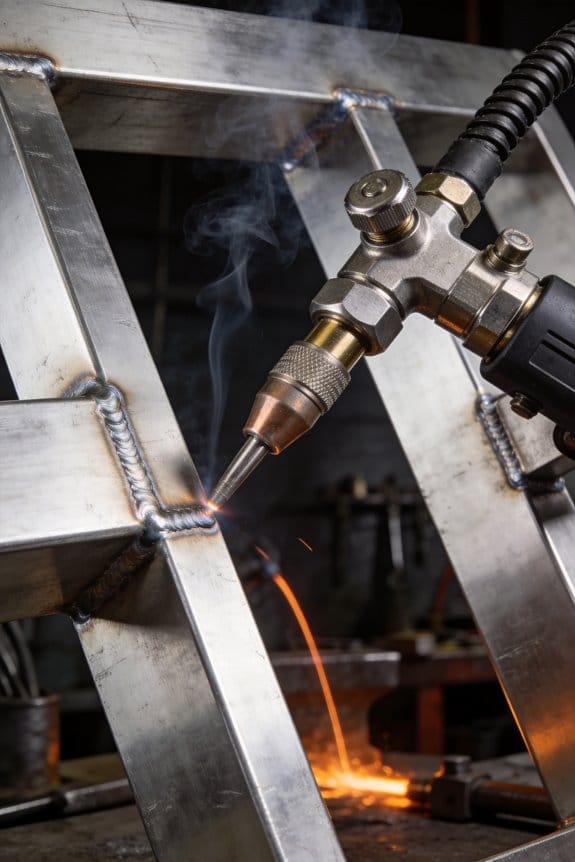
TIG aluminum welding gives precise heat control, cleans oxides for proper wetting, and reduces spatter—perfect for thin or cosmetic parts. Learn setup and tips.

TIG aluminum welding gives precise heat control, cleans oxides for proper wetting, and reduces spatter—perfect for thin or cosmetic parts. Learn setup and tips.
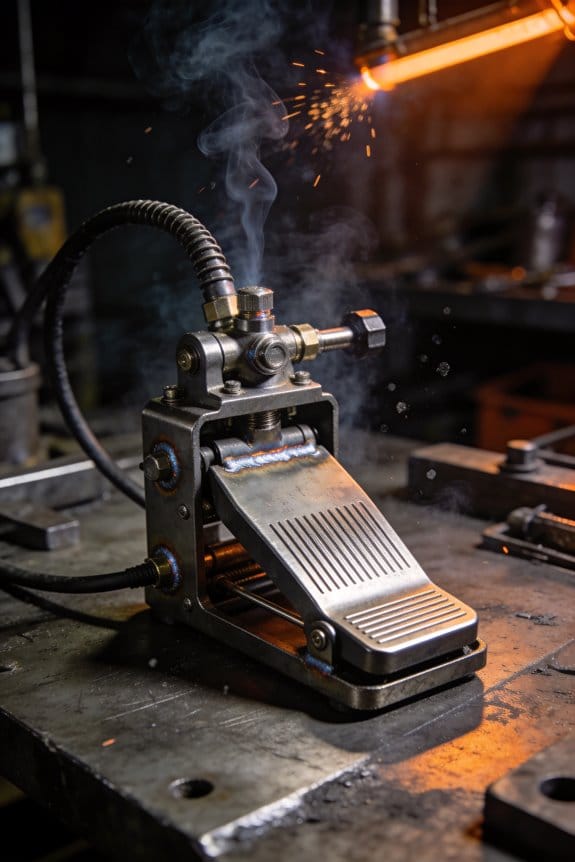
Foot pedal control shapes modern TIG technique—use light preflow, smooth ramps, and tapered finishes for cleaner beads and fewer craters. Practice these motions.

TIG welding lets you join very thin metal with precise, low heat to avoid burn‑through and distortion—learn setup, tips, and troubleshooting. Start now.

Pulse TIG helps cut heat input and warping by pulsing peaks and lows, giving better control on thin metal and stainless—learn practical tips now.

Clean TIG welds boost public projects with neat, low-spatter seams that cut rework and corrosion risk—learn practical tips to get them right.

Tungsten preparation shapes arc focus and prevents burn-through for stable TIG welds—learn how to pick, grind, and maintain tips for better results. Read on.

Beginner-friendly TIG interfaces cut setup time and errors by guiding presets, tungsten prep, and controls—get consistent results faster. Learn more.

Inverter TIG welders give precise arc control and lighter rigs for repeatable, cleaner welds—learn key settings and tips to improve your welding now.

AC/DC TIG machine boosts welding versatility by switching AC cleaning and DC penetration for aluminum to steel—learn ideal settings and get started today.
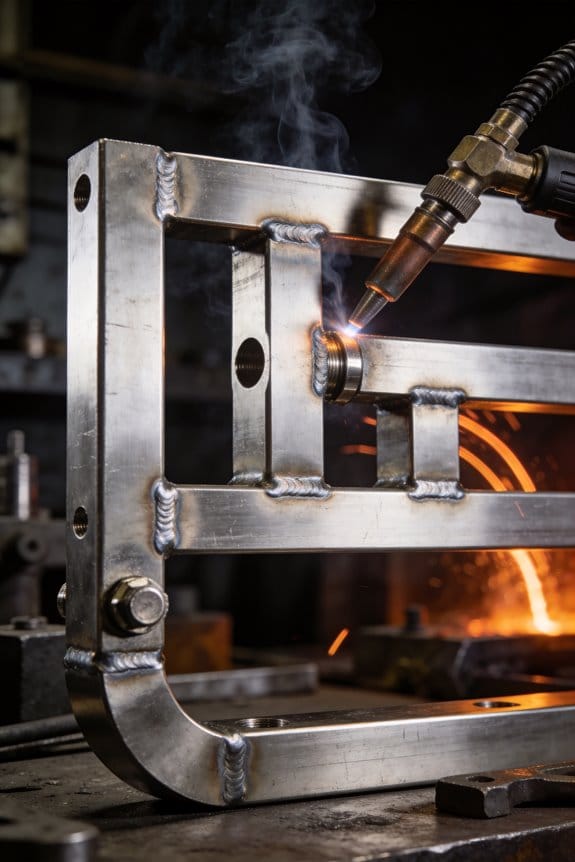
TIG welding boosts precision by reducing heat and distortion for thin/exotic parts, with repeatable controls and traceability — learn exact settings today.