How Adjustable Sensitivity Improved Helmet Performance Across Processes

Adjustable sensitivity improves helmet performance by matching settings to each weld, reducing false triggers and catching dim arcs—test presets and tune now.


Adjustable sensitivity improves helmet performance by matching settings to each weld, reducing false triggers and catching dim arcs—test presets and tune now.

Cooling, dust, and airflow control a welder’s long-term lung health—learn easy steps to cut fumes and metal exposure. Get practical tips now.

Real-time welding monitoring catches defects as they start, keeps weld quality consistent, and reduces rework—learn how to set it up now.

Shipbuilding and heavy equipment drive welding tech—faster, stronger, low‑distortion joins with hybrid and friction stir methods. Learn practical tips.
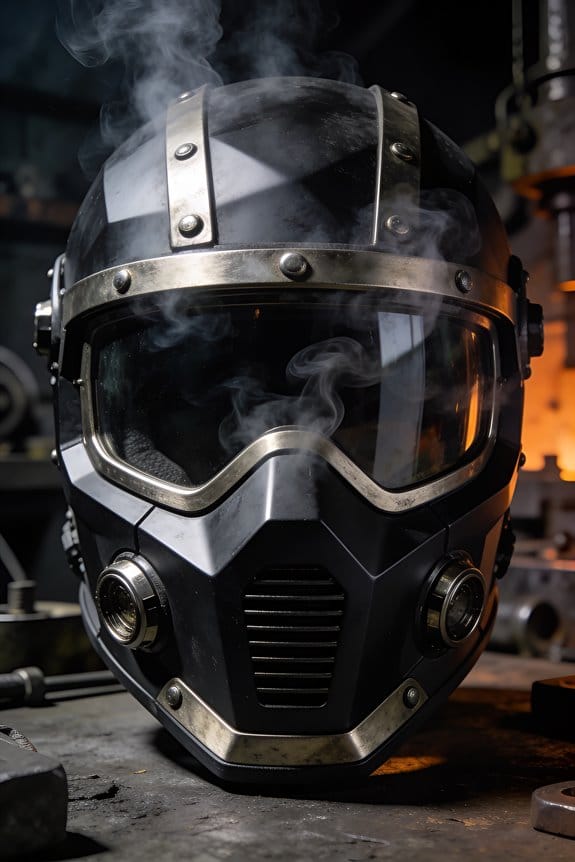
Panoramic visors widen your view (up to ~82°) so you spot hazards sooner, reduce neck strain, and fit HUDs—discover the design details now.

Clean TIG welds boost public projects with neat, low-spatter seams that cut rework and corrosion risk—learn practical tips to get them right.

Tungsten preparation shapes arc focus and prevents burn-through for stable TIG welds—learn how to pick, grind, and maintain tips for better results. Read on.

Consumable management cuts welding costs and boosts uptime—learn how tracking wire, flux, and electrodes trims waste and raises margins. Get started now.

Smart controls in MIG welding boost consistency, cut rework, and speed training by auto-tuning parameters. See results fast—learn how to start today.

Portable welder energy efficiency explained: learn how inverters cut fuel, weight, and downtime so crews work longer—read practical tips and tests now.